Maximizing Comfort and Savings with Energy-Efficient HVAC Systems
Understanding Energy-Efficient HVAC Systems
What is Energy Efficiency in HVAC?
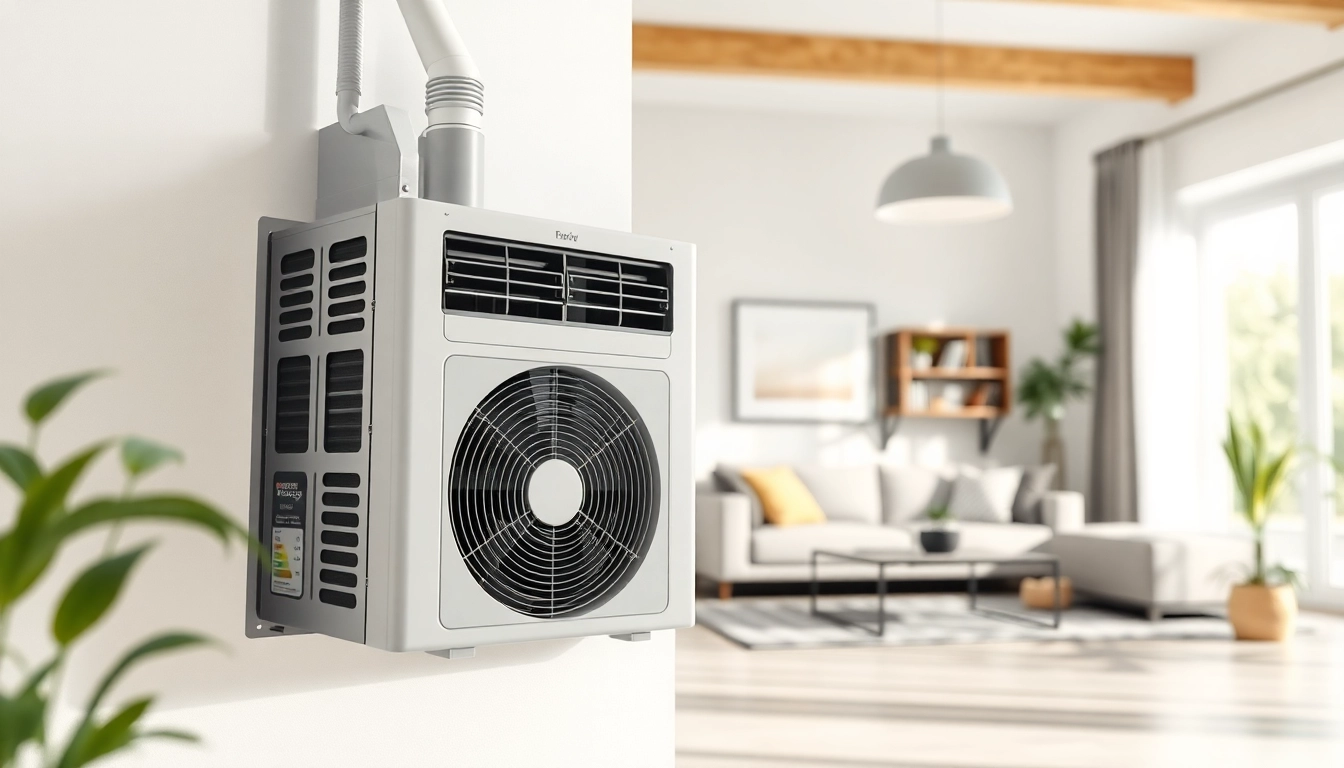
Energy efficiency in HVAC systems refers to the ability to provide heating, cooling, and ventilation while using minimal energy. The most effective systems optimize performance through innovative design and technology to maintain comfortable indoor climates without wasting resources. This not only aids in achieving environmental sustainability but also translates into lower utility bills for homeowners. In practical terms, energy-efficient HVAC systems utilize advanced features such as variable-speed motors, programmable thermostats, and high SEER (Seasonal Energy Efficiency Ratio) ratings to manage energy consumption effectively. When you’re considering upgrading your home’s heating and cooling solutions, understanding energy-efficient HVAC systems is crucial.
Benefits of Energy-Efficient HVAC Systems
Opting for energy-efficient HVAC systems comes with an array of advantages:
- Cost Savings: Such systems consume less energy, leading to significantly lower monthly utility bills.
- Environmental Impact: Reduced energy consumption contributes to lower greenhouse gas emissions, promoting a healthier planet.
- Increased Comfort: Advanced technology allows for more consistent temperatures and improved air quality, enhancing overall comfort.
- Longevity: Many energy-efficient units are built with durability in mind, with higher-quality components that ensure a longer lifespan, resulting in fewer replacement costs.
- Incentives: Homeowners may qualify for rebates or tax credits when purchasing energy-efficient systems, making the initial investment more affordable.
Common Myths Debunked
Despite the numerous benefits, several misconceptions surrounding energy-efficient HVAC systems persist:
- Myth 1: They are too expensive to install. Fact: While the upfront costs can be higher, the long-term savings outweigh initial expenses.
- Myth 2: They are only beneficial in specific climates. Fact: Energy-efficient systems operate effectively in various climates and conditions.
- Myth 3: They don’t perform as well as traditional units. Fact: Modern energy-efficient systems are designed to compete or exceed the performance of older models.
Choosing the Right Energy-Efficient HVAC System
Key Features to Consider
When selecting an energy-efficient HVAC system, several critical features should be assessed:
- SEER Ratings: Look for units with a higher SEER rating, which indicates greater efficiency.
- Two-Stage Compressors: These provide more consistent temperatures and efficiency by operating at varying levels.
- Variable-Speed Blowers: These can adjust airflow as needed, improving comfort and energy savings.
- Smart Thermostats: Digital thermostats can optimize performance based on usage patterns and external conditions.
Types of Energy-Efficient HVAC Systems
Understanding the different types of energy-efficient HVAC systems is vital for making an informed choice:
- Central Air Conditioning Systems: Ideal for larger homes, these operate efficiently while distributing air evenly throughout the property.
- Heat Pumps: Both heating and cooling in one unit, heat pumps are an efficient alternative in moderate climates.
- Ductless Mini-Splits: These systems provide flexibility by allowing for zoned heating and cooling without ductwork, which improves efficiency.
- Geothermal Systems: Utilizing the earth’s stable underground temperatures, geothermal systems offer exceptional long-term energy savings.
Evaluating System Performance
Assessing a system’s performance involves specific metrics that give insight into its efficiency and effectiveness:
- Energy Use: Monitor how much energy your system consumes relative to the square footage of your home.
- Customer Reviews: Research feedback from current users for real-life performance indicators.
- Annual Maintenance Reports: A well-maintained system should show improved efficiency metrics over time.
Installation Best Practices
Preparing for Installation
Preparation is key to ensuring a seamless installation experience:
- Evaluate Your Space: Consider the size and layout of your home to determine the proper HVAC system.
- Clear Installation Areas: Remove obstacles around existing units or installation areas to facilitate accessibility.
- Review Local Codes: Ensure compliance with local building codes and regulations before installation.
Choosing the Right Professionals
Selecting qualified professionals for installation is essential:
- Check Credentials: Ensure technicians are licensed and certified to install HVAC systems.
- Ask for References: Gather feedback from previous clients to gauge the quality of their work.
- Review Estimates: Obtain multiple quotes to understand the market and ensure fair pricing.
Post-Installation Checklist
Once the system is installed, complete the following checklist:
- Test Operation: Ensure the system operates correctly in all modes (heating, cooling, and fan).
- Check Duct Seals: Confirm that all seams in ductwork are properly sealed for optimal performance.
- Set Thermostat: Program the thermostat to optimize energy use.
Maintaining Your Energy-Efficient HVAC System
Regular Maintenance Tips
To keep your energy-efficient HVAC system running smoothly, consider these maintenance practices:
- Change Filters Regularly: Clean or replace air filters every 1-3 months depending on use.
- Suspend Operations During Off-Season: Properly shut down systems when not in use, including covering outdoor units to prevent debris accumulation.
- Annual Professional Inspections: Schedule yearly maintenance with a licensed technician to check for potential issues.
Signs Your System Needs Attention
Identifying early warning signs can prevent costly repairs:
- Unusual Noises: Grinding or squealing sounds can indicate mechanical problems.
- Inconsistent Temperatures: Significant temperature fluctuations may suggest system inefficiencies.
- Increased Energy Bills: A sudden spike in energy costs could indicate that the system is no longer working efficiently.
Cost-Effective Upgrade Options
When considering upgrades, focus on options that maximize energy efficiency without breaking the bank:
- Programmable Thermostats: Simple to install, these can significantly enhance energy savings.
- Proper Insulation: Ensuring your home is well-insulated can reduce the workload on your HVAC system.
- Variable-Speed Motors: Upgrading to these can improve comfort and efficiency.
Frequently Asked Questions about Energy-Efficient HVAC Systems
How do energy-efficient HVAC systems save money?
Energy-efficient HVAC systems save money by utilizing less electricity and optimizing performance, which lowers monthly utility costs and often qualifies for rebates or tax credits.
What should I look for when purchasing an HVAC system?
Look for high SEER ratings, warranty coverage, energy-saving certifications, and advanced technology features like programmable thermostats and variable-speed motors.
Are energy-efficient systems noisy?
No, in fact, many energy-efficient systems are designed to operate quietly, thanks to features like sound insulation and variable-speed components that reduce operational noise.
How often should HVAC systems be maintained?
HVAC systems should be maintained at least once a year, with additional seasonal checks recommended, especially before heating or cooling seasons.
What is the average lifespan of an energy-efficient HVAC system?
On average, energy-efficient HVAC systems can last between 15 to 25 years, depending on maintenance, usage, and quality of installation.