Choosing the Right Vinyl Flooring for Your Home: Style and Practicality Combined
Understanding Vinyl Flooring: A Comprehensive Guide
When it comes to flooring choices, vinyl flooring stands out as a leading contender for both residential and commercial spaces. Known for its versatility, affordability, and aesthetic appeal, vinyl flooring has evolved significantly over the years, earning its place in modern design. This article aims to explore every facet of vinyl flooring, from its types and benefits to choosing the right options for your specific needs.
What is Vinyl Flooring?
Vinyl flooring is a synthetic flooring material made primarily from polyvinyl chloride (PVC), combined with other compounds to enhance its durability and aesthetic appeal. Since its inception in the mid-20th century, vinyl has transformed from a simple, utilitarian option to a sophisticated flooring solution that mimics natural materials like wood and stone. It comes in various forms, including sheets, tiles, and luxury vinyl planks (LVP), each tailored to serve different purposes and preferences.
Types of Vinyl Flooring Available
Vinyl flooring can be categorized into several types, each offering unique features and advantages:
- Sheet Vinyl: This type consists of large, continuous sheets that can be easily installed over large areas without seams. This makes it ideal for moisture-prone areas.
- Vinyl Tiles: These are individual squares or rectangles that can be arranged in various patterns. Vinyl tiles offer more design flexibility but require careful installation to avoid seams.
- Luxury Vinyl Planks (LVP): Designed to replicate the look of hardwood, LVP is thicker and more resilient, making it suitable for residential and commercial applications.
Benefits of Vinyl Flooring
Vinyl flooring boasts several advantages, making it a popular choice among homeowners and designers:
- Affordability: One of the biggest draws of vinyl flooring is its cost-effectiveness compared to hardwood or tile options.
- Durability: Vinyl flooring is highly resistant to wear and tear, making it ideal for high-traffic areas.
- Water Resistance: Most vinyl flooring options are resistant to moisture, making them an excellent choice for bathrooms and kitchens.
- Easy Maintenance: Regular sweeping and occasional mopping are typically all that’s required to maintain its appearance.
- Design Versatility: With options to mimic various textures and colors, vinyl flooring can suit any aesthetic.
How to Select Vinyl Flooring for Different Rooms
Best Vinyl Flooring for Living Areas
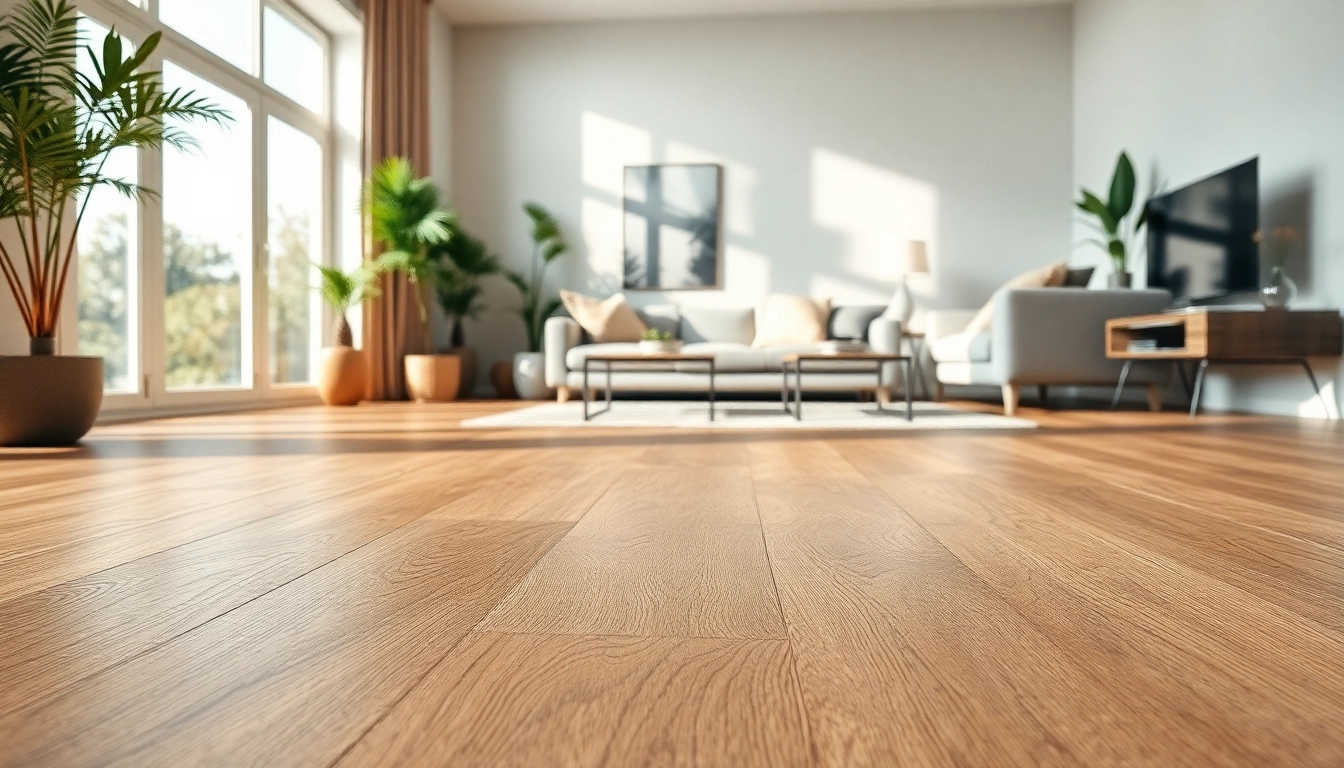
In living rooms and family areas, comfort and aesthetics are paramount. Choose vinyl flooring textures that mimic natural wood or stone for a warm touch. Luxury vinyl planks are particularly favored for these spaces due to their luxurious look and feel coupled with durability. Select shades that complement your existing décor.
Choosing Vinyl Flooring for Kitchens and Bathrooms
For kitchens and bathrooms, water resistance is a critical factor. Opt for vinyl flooring that features a waterproof core, particularly those designed for moisture-rich environments. Sheet vinyl can be a smart choice for seamless looks with less vulnerability to water damage. Additionally, consider slip-resistant surfaces to ensure safety in these high-moisture areas.
Vinyl Flooring Options for High-Traffic Zones
For hallways, entryways, and busy family rooms, choosing a thicker vinyl flooring option can ensure longevity and minimal wear. Look for luxury vinyl or commercial-grade vinyl options that are specifically designed to endure heavy foot traffic while remaining visually appealing. Darker colors or textured patterns can also help conceal scuffs and scratches over time.
Installation Process: DIY vs. Professional Services
Preparing Your Space for Vinyl Flooring
Before installation, it’s crucial to prepare the area by removing any existing flooring. Ensure the subfloor is clean, dry, and smooth. Uneven surfaces can lead to issues later, such as bubbling and warping. It’s also wise to acclimate your vinyl flooring according to the manufacturer’s guidelines to prevent expansion or contraction post-installation.
Steps to DIY Vinyl Flooring Installation
If you’re opting for DIY installation, here’s a simplified rundown of the steps:
- Measure your Space: Accurately measure the area where the vinyl will be installed.
- Cut the Vinyl: Use a sharp utility knife to cut the vinyl to fit the measurements, leaving room for expansion around the edges.
- Lay the Flooring: Start from one corner and carefully lay the vinyl. Ensure it adheres well, using adhesive as necessary.
- Secure the Edges: Lockdown any seams or edges with transition strips or molding to finish the installation.
When to Consider Professional Installation
Choosing a professional installation service might be beneficial if you are inexperienced or the space has unique challenges, such as intricate patterns or unusual layouts. Professionals can ensure the job is done correctly, minimizing the risk of future issues and giving you peace of mind.
Maintenance Tips for Longevity of Vinyl Flooring
Cleaning Your Vinyl Flooring Effectively
To maintain the pristine look of your vinyl flooring, regular cleaning is vital. Use a soft broom or vacuum to remove dirt and debris. For deeper cleaning, a damp mop with a mild detergent can refresh the surface. Avoid harsh chemicals, which can degrade the vinyl over time.
How to Avoid Common Vinyl Flooring Pitfalls
Common pitfalls include not allowing the flooring to acclimate and improper installation techniques. Always follow the manufacturer’s guidelines for both installation and maintenance. Ensure to apply adequate pressure when installing to avoid gaps and seams.
Repairing Damages to Vinyl Flooring
For minor damages, such as scratches or scuffs, a vinegar and water solution can often do the trick. For deeper issues, like tears, patch kits that match your flooring style may be necessary. In cases where extensive damage occurs, replacement tiles or planks can be utilized for seamless repairs.
FAQs About Vinyl Flooring
What is the lifespan of vinyl flooring?
Vinyl flooring typically lasts between 10 to 20 years, depending on the quality and usage.
Can vinyl flooring be installed over existing floors?
Yes, vinyl flooring can usually be installed over most existing flooring, provided the surface is clean and stable.
Is vinyl flooring resistant to water damage?
Many vinyl flooring options are water-resistant, making them suitable for moisture-ridden areas like kitchens and bathrooms.
How to determine the right thickness for vinyl flooring?
Thicker vinyl flooring is often more durable and offers better sound insulation. For residential use, thickness between 4mm to 8mm is ideal.
Can vinyl flooring be recycled at the end of its life?
Yes, some vinyl flooring products can be recycled, but it’s essential to verify with local recycling programs for requirements.