
Elevate Your Space with the Perfect Dorm Room Fridge
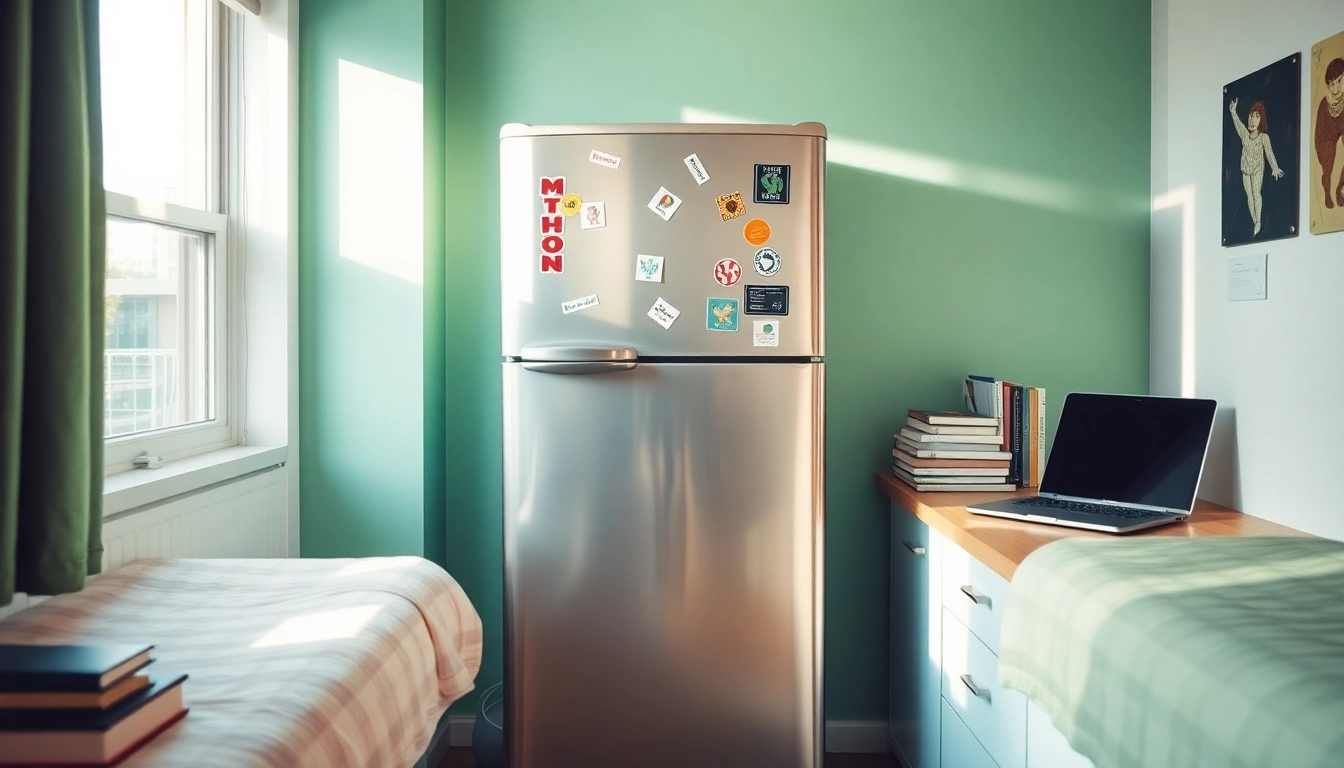
Benefits of Having a Dorm Room Fridge
Convenience for Snacks and Drinks
Having a dorm room fridge can significantly enhance your college experience by providing immediate accessibility to snacks and beverages. No more running to common kitchens or relying on dining hall hours; you can enjoy your favorite munchies and drinks right in your room. This convenience is especially important during late-night study sessions, allowing you to recharge without interrupting your focus.
Personal Space and Comfort
In a shared living environment, having a fridge designated for your personal use allows for a greater sense of ownership over your space. Whether it’s housing your favorite yogurts, pre-prepared meals, or personal drinks, a dorm room fridge personalizes your corner of campus life, making it more comfortable. It’s a small space you can control that contributes to a more homely atmosphere amidst the hustle and bustle of school life.
Energy Efficiency Considerations
The advancements in refrigeration technology mean that today’s dorm room fridges are designed with energy efficiency in mind. Many models carry Energy Star ratings, ensuring that they consume less electricity without sacrificing functionality. This not only helps in keeping your utility bills lower but also makes you eco-friendlier, an appealing aspect for environmentally conscious students.
Choosing the Right Size for Your Dorm Room Fridge
Measuring Your Space Effectively
Before selecting a dorm room fridge, it’s essential to measure the space where you intend to place it. Consider both height and width, ensuring it fits well within the confines of your dorm room. Additionally, take note of the placement concerning other furniture and power outlets, ensuring your fridge has adequate ventilation and is easily accessible.
Capacity Options Explained
Dorm room fridges come in various capacities, typically ranging from 1.5 to 4.5 cubic feet. A smaller fridge may suffice for light users or those primarily storing drinks, whereas larger fridges are ideal for those who like to keep meals or a variety of snacks on hand. Consider your dietary habits and snack preferences when deciding on capacity.
Placement Tips for Optimal Access
When placing your fridge, consider accessibility and convenience. While it might be tempting to tuck it away in a corner, placing it near your desk or bed ensures easy access for quick snack breaks. Avoid placing it directly against walls or furniture that can restrict airflow, which is essential for optimal operation.
Essential Features to Look for in a Dorm Room Fridge
Accessibility and Interior Organization
Interior organization features enhance usability. Look for fridges with adjustable shelves, under-shelf storage, and door compartments. These features facilitate effective organization, allowing you to maximize available space while keeping items visible and easy to access.
Energy Star Ratings and Eco-Friendliness
Opting for an Energy Star-rated dorm room fridge means you’re choosing a model designed to reduce energy consumption. This represents a long-term investment that will save on electricity bills, while also making a commitment to sustainability—a choice appreciated by many students today.
Noise Levels for Peaceful Living
The noise produced by a fridge can be disruptive, especially in a shared living environment. When selecting a dorm room fridge, check for noise level ratings. Ideally, look for models that operate quietly, so your late-night studying or early morning sleep isn’t interrupted by the sound of your refrigerator cycling.
Maintenance and Care for Your Dorm Room Fridge
Regular Cleaning Tips and Tricks
Keeping your fridge clean is crucial for maintaining hygiene and functionality. Regularly wipe down shelves with mild detergent and water, and check for expired items weekly. A clean fridge not only smells better but also reduces the risk of pest problems and maintains optimal cooling performance.
Checking Temperature Settings
It’s important to maintain the right temperature, ideally between 35°F – 38°F (1.6°C to 3.3°C), to keep your food safe. Regularly check and adjust the thermostat as necessary, especially during seasonal temperature shifts, ensuring that your perishable items remain fresh.
Troubleshooting Common Issues
Common fridge problems include not cooling effectively or making unusual noises. In cases where the fridge doesn’t maintain the right temperature, check the temperature settings first, followed by ensuring nothing is obstructing airflow inside. If problems persist, cleaning the condenser coils can often resolve cooling issues.
Frequently Asked Questions About Dorm Room Fridge
What are the best snacks to store in a dorm room fridge?
Easy-to-store items include yogurts, fruits like berries, cheese, and leftovers. Smoothies and energy drinks are also great options for quick refreshment during study sessions.
How can I maximize space in my dorm room fridge?
Utilize stackable bins and storage containers, adjust shelves based on item height, and prioritize frequently used items at eye level. This will keep everything organized and accessible.
Are dorm room fridges energy efficient?
Many modern dorm room fridges are designed with energy efficiency in mind, often featuring Energy Star ratings that lower electricity use and help save on bills.
What size dorm room fridge is best for me?
Your choice should depend on your eating habits. A smaller, 1.5 to 2.5 cubic feet fridge may suit light users,. A larger fridge is better for those who meal prep or keep many snacks.
How do I clean my dorm room fridge effectively?
Unplug the fridge, remove all items, and wash shelves with warm soapy water. Wipe down the inside with a mixture of water and vinegar for deodorizing, then dry thoroughly before restocking.


