
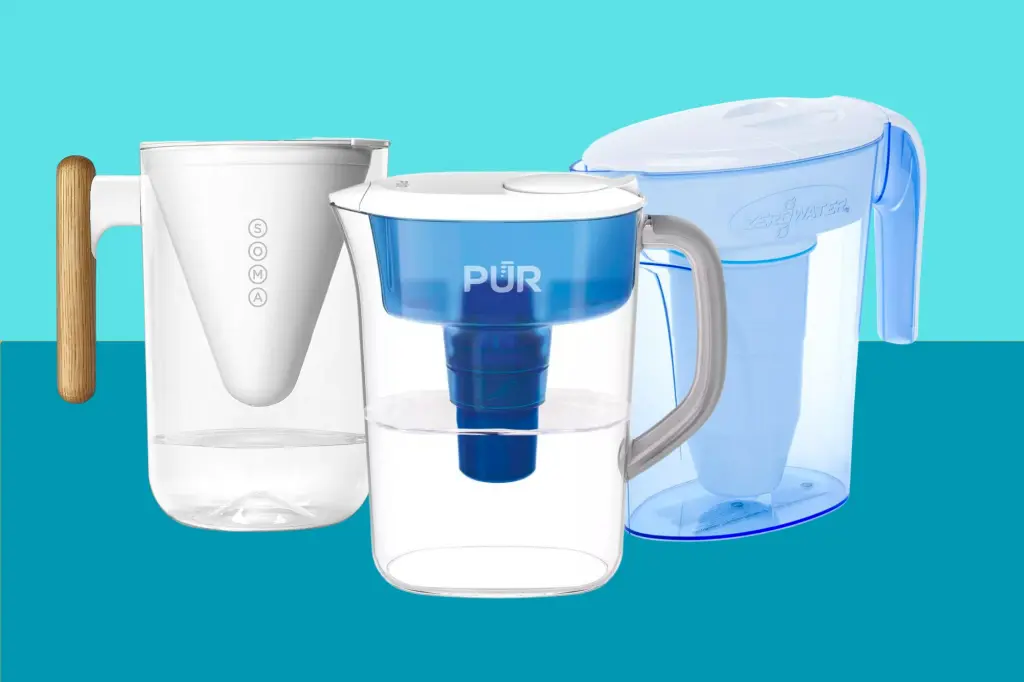
Choosing a water filter may seem simple, but when it comes to brita vs pur, the differences can significantly impact the quality of water you drink daily. Both brands are widely popular, but each has unique strengths that make them ideal for different needs. From taste and filter lifespan to contaminant removal, this guide dives deep into everything you need to know to make an informed decision.
Water is life, and having clean, great-tasting water at home is more important than ever. Whether you live in an area with hard water, or you simply want to remove harmful impurities like lead, chlorine, or other metals, selecting the right water filter ensures your safety, hydration, and peace of mind.
Understanding the Basics of Brita vs Pur
Before comparing taste, quality, and filter lifespan, it’s important to understand how these two brands work. Both use activated carbon, but the technologies differ in their approach:
How Brita Filters Work
Brita uses activated carbon and ion-exchange resin to filter water. The resin reduces metals like copper, mercury, and cadmium while keeping beneficial minerals such as calcium and magnesium intact.
How Pur Filters Work
Pur focuses on heavy contaminant removal with a more advanced ion-exchange system. This allows Pur filters to reduce a broader range of contaminants, including lead, mercury, and chlorine, but it may also remove some minerals that improve taste.
Taste Comparison: Which One Wins Your Palate?
Taste is subjective, but scientific testing shows clear differences:
Brita Taste
- Maintains the natural flavor of water while removing chlorine and unpleasant odors.
- Keeps calcium and magnesium, giving water a "fuller" and more refreshing taste.
Pur Taste
- Provides very clean water by removing nearly all heavy metals and some minerals.
- Some users notice a “flat” taste because beneficial minerals are reduced.
Real-life example: A family in Denver reported that switching to Brita pitchers improved the taste of tap water so much that they stopped buying bottled water. Conversely, a household in Flint, Michigan, relied on Pur to ensure lead levels were reduced to safe amounts.
Contaminant Removal: Safety First
Safety is crucial when selecting a water filter. Here’s a detailed look at how Brita vs Pur compare:
Brita Contaminant Removal
- Removes chlorine, copper, mercury, and cadmium.
- Reduces particulates, making water safer for drinking and cooking.
Pur Contaminant Removal
- Removes lead, chromium, chlorine, and some pesticides.
- Uses enhanced ion-exchange resin for more aggressive contaminant removal.
Filter Lifespan: How Long Will It Last?
Brita Filter Lifespan
- Usually lasts around 40 gallons or two months, depending on usage.
- Replacement filters are generally cheaper and widely available.
Pur Filter Lifespan
- Lasts 40–100 gallons depending on the model.
- Slightly more expensive but offers intensive contaminant removal per gallon.
Ease of Use and Design Considerations
Brita Design Features
- Variety of pitcher sizes from compact to large family pitchers.
- Easy-fill lids, clear water-level indicators, and filter change reminders.
Pur Design Features
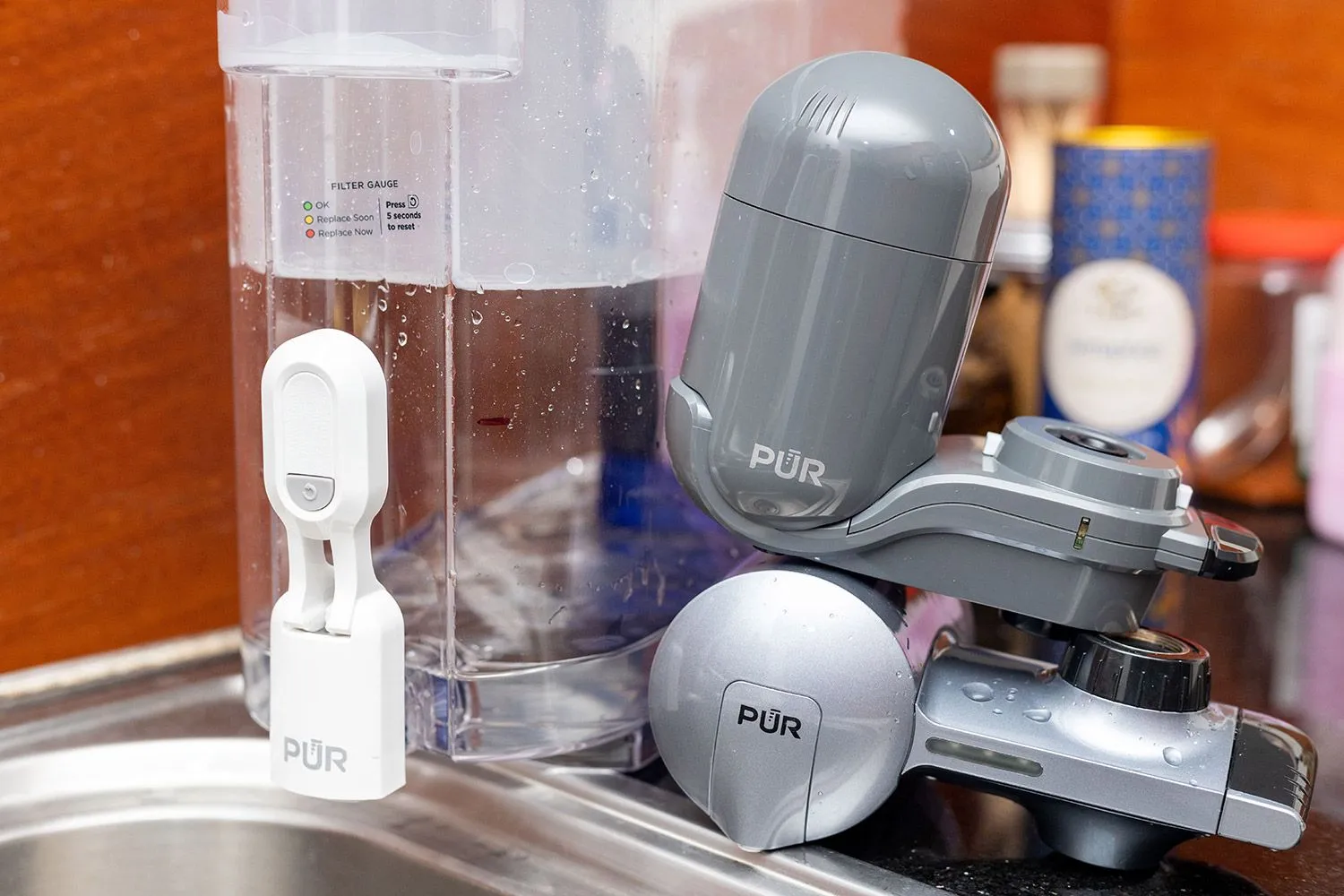
- Offers pitchers, dispensers, and faucet-mounted filters.
- Some models have digital indicators for filter replacement.
Cost Analysis: Price vs Performance
Brita Pricing
- Generally more affordable upfront.
- Replacement filters cost less, lower cost per gallon.
Pur Pricing
- Higher upfront cost and pricier replacements.
- Health benefits outweigh price if contaminant removal is a priority.
Environmental Considerations
Brita Environmental Impact
- Some filters are recyclable through local programs.
- Company collection programs reduce plastic waste.
Pur Environmental Impact
- Recyclable filters, but some models use more plastic.
- Focus is on contaminant reduction over environmental impact.
Practical Use Cases: Who Should Choose What?
- Families focused on better tasting water
- Users in areas with safe tap water but chlorine taste
- Budget-conscious households
- Homes with high heavy metal contamination
- Health-conscious users seeking maximum safety
- Individuals willing to invest in premium filtration
Maintenance Tips to Extend Filter Life
- Replace filters as recommended.
- Clean the pitcher weekly to prevent bacterial buildup.
- Store in a cool, dry place to avoid mold or mildew.
- Pre-rinse new filters before first use.
User Experiences and Reviews
Brita User Reviews
- Praise crisp, clean taste and affordability.
- No significant drop in quality within recommended use periods.
Pur User Reviews
- Effective in removing lead and chlorine.
- Some notice water tastes flat initially but improves over time.
Comparison Table: Brita vs Pur at a Glance
FeatureBritaPurTasteRetains natural minerals, crispVery clean, slightly flatContaminant RemovalChlorine, copper, mercuryLead, mercury, chlorine, pesticidesFilter Lifespan~40 gallons40–100 gallons depending on modelCostAffordableHigher costDesign OptionsCompact, family-sizePitcher, dispenser, faucet-mountedEnvironmental ImpactSome recyclable filtersRecyclable, more plastic
Making the Decision: Brita vs Pur
- Choose Brita if you want great taste, affordable replacements, and convenience.
- Choose Pur if contaminant removal is your main concern, and you’re willing to invest more for health and safety.
Think of it like choosing a car: Brita is your reliable commuter vehicle, while Pur is a heavy-duty SUV designed for tougher challenges. Both get the job done but cater to different needs.
Real-World Testing Insights from Everyday Households
When comparing brita vs pur, many households report differences that go beyond technical specs. In practical, daily use, the brita vs pur experience depends heavily on taste preference, water source, and family size. For example, users with hard water notice that brita vs pur can feel different depending on mineral levels, with Brita often keeping the water’s natural flavor intact. On the other hand, people living in older neighborhoods with outdated pipes often say that brita vs pur performance shifts toward Pur because of its stronger contaminant removal. These real-world insights help clarify how brita vs pur behaves outside laboratory tests and how each system performs under different home conditions.
Performance Differences in High-Usage Environments
When evaluating brita vs pur in high-usage situations, such as large families or active households, the long-term performance becomes even more important. Some users find that brita vs pur filter flow speeds differ noticeably, with Brita maintaining a more consistent pour rate over time. Meanwhile, Pur’s filters, though more powerful, may slow down faster due to heavy contaminant collection, which is a normal sign of strong filtration. In busy environments like offices, gyms, or large homes, the brita vs pur reliability gap becomes clear, helping users understand how brita vs pur adapts to heavy daily consumption.
Which One Fits Different Lifestyles Best?
Understanding brita vs pur also means knowing how each brand fits various lifestyles. Health-focused individuals often compare brita vs pur based on contaminant removal levels, while budget-conscious consumers examine brita vs pur based on price and filter replacement frequency. Travelers and students appreciate Brita’s portability, while homeowners with older plumbing systems often lean toward Pur. Ultimately, lifestyle, daily routines, and local water quality all influence how brita vs pur aligns with different needs, helping buyers feel confident when choosing between brita vs pur systems.
Conclusion
In the ongoing debate of Brita vs Pur, there is no one-size-fits-all answer. Brita excels in taste, cost-effectiveness, and convenience, making it ideal for families and everyday use. Pur prioritizes heavy contaminant removal, providing safer water for households concerned with lead, mercury, or other pollutants.
By understanding your water needs, lifestyle, and budget, you can select the filter that aligns best with your goals. Both brands provide reliable filtration, so the ultimate choice comes down to taste versus maximum protection. Investing in a quality water filter is an investment in health, hydration, and peace of mind—whether you choose Brita or Pur. The homepage is your central hub for everything we publish.
FAQs
What is the main difference between Brita and Pur filters?
The main difference lies in contaminant removal. Pur filters remove more heavy metals like lead and mercury, while Brita maintains natural minerals, giving water a better taste.
Which filter lasts longer, Brita or Pur?
Filter lifespan varies by model. Brita filters generally last about 40 gallons or two months, whereas Pur filters can last between 40–100 gallons depending on usage.
Is one filter better for taste over the other?
Yes. Brita filters are known for retaining beneficial minerals, resulting in water that tastes fuller and fresher. Pur filters may taste flat because they remove more minerals along with contaminants.