Understanding the Mould Temperature Controller
The Mould Temperature Controller is a pivotal component in modern industrial manufacturing processes, ensuring that the temperature of molds remains stable and optimal throughout the production cycle. In industries such as injection molding, precise temperature control is crucial, as it directly influences product quality and operational efficiency. By optimizing the thermal conditions of molds, manufacturers can significantly reduce defects, enhance product consistency, and improve overall productivity. This article delves into the intricacies of mould temperature controllers, specifically focusing on the innovative fourth-generation models that are setting new benchmarks in the industry.
What is a Mould Temperature Controller?
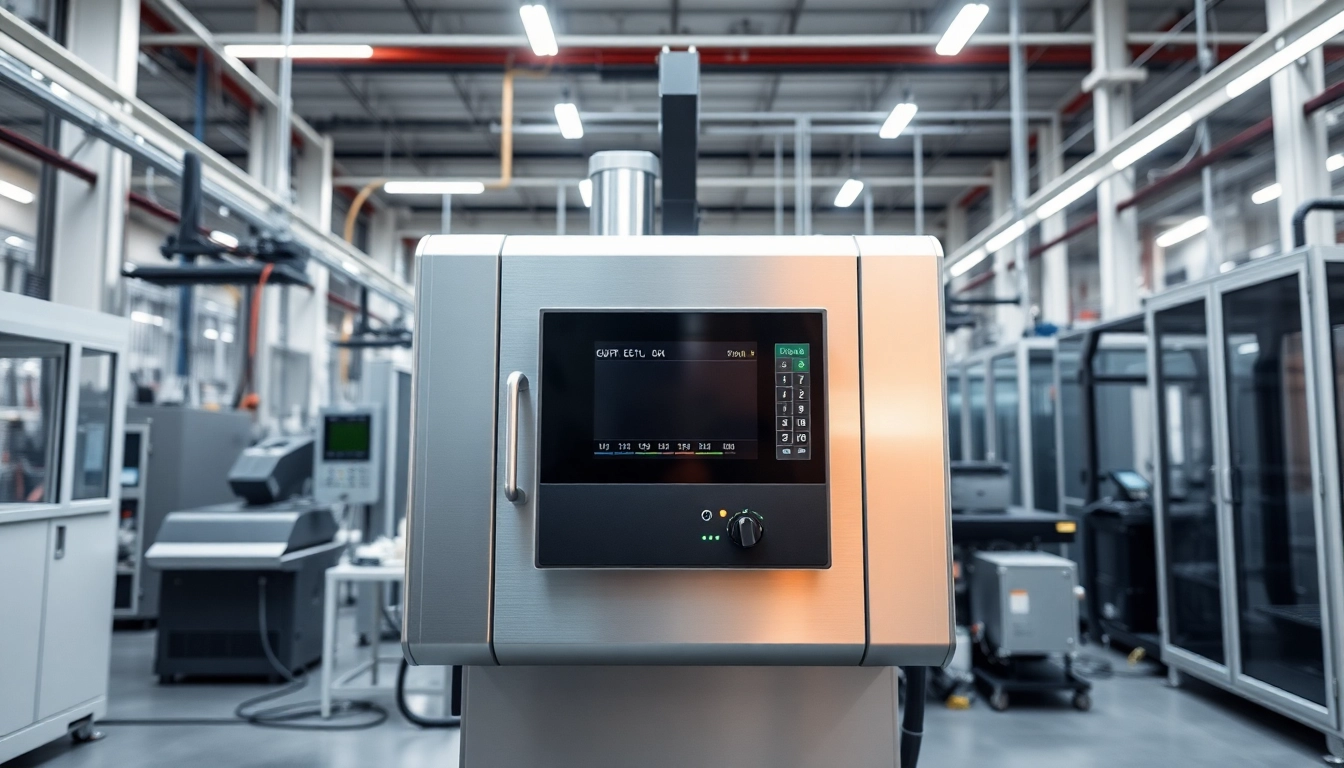
A mould temperature controller (MTC) is a device designed to regulate the temperature of molds during manufacturing processes, particularly in injection molding and other thermal applications. By maintaining a constant temperature, these controllers help prevent issues like warping, shrinkage, and surface defects, which can compromise product integrity. Advanced MTCs, such as those offered by Topstar, utilize sophisticated algorithms and technologies to ensure accurate temperature maintenance and rapid response times, thereby enhancing manufacturing efficiency.
Key Components and Their Functions
Mould temperature controllers consist of several key components that work in conjunction to deliver high levels of performance:
- Heating Elements: Typically made from copper, these elements ensure rapid heating and efficient heat distribution across the mold surface.
- Cooling Systems: Integrated cooling mechanisms allow quick temperature drop, essential for reducing downtime during mold changes.
- PID Control Algorithms: The Proportional-Integral-Derivative (PID) algorithms optimize the heating and cooling processes, maintaining temperature accuracy within ±0.1°C.
- Filters: High-precision filters prevent impurities from clogging the system, ensuring smooth operation even with poor-quality water.
- Liquid-Level Detection: Using advanced sensors, MTCs monitor and manage liquid levels, ensuring consistent operation without interruptions.
Common Applications in Industrial Manufacturing
Mould temperature controllers are widely employed in various sectors, primarily in:
- Injection Molding: Essential for ensuring consistent mold temperatures, which is critical for producing high-quality plastic parts.
- Die Casting: Helps maintain mold temperature for optimal metal flow and solidification, leading to enhanced product quality.
- Thermoforming: Provides precise temperature control to achieve desired material properties during the forming process.
- Composite Manufacturing: Ensures uniform curing temperatures for composites, improving strength and finish.
Benefits of the Fourth-Generation Mould Temperature Controller
The latest iteration, the fourth-generation mould temperature controller, introduces numerous advancements that enhance operational efficiency and product quality. When exploring options, Mould Temperature Controller provides comprehensive insights into these benefits.
Enhanced Efficiency and Reduced Downtime
Traditionally, mold replacement can result in significant downtime as molds must be cooled completely before disassembly. The fourth-generation MTC addresses this by introducing forced cooling capabilities and timed power management. For instance, by activating cooling solenoid valves, the system can effectively reduce mold temperatures within approximately 10 minutes. This innovation not only minimizes waiting times but also allows for preheating, which can improve overall efficiency by up to 10%.
Precision Temperature Control Techniques
One of the standout features of the fourth-generation mould temperature controller is its precision. Thanks to advanced PID control algorithms, manufacturers can achieve temperature stability within ±0.1°C. Solid-state relays facilitate rapid response times (as fast as 0.1 seconds), ensuring that the system can quickly adapt to changes in operational conditions. This accuracy translates directly into improved product quality, with fewer defects and higher consistency across production runs.
Improved Product Yield and Quality
By maintaining optimal mold temperatures, fourth-generation controllers significantly enhance product yield. The reduction in temperature fluctuations leads to better material flow and solidification, which is critical in injection molding. Moreover, the use of high-quality copper heaters and effective filtration systems enhances the durability of molds while minimizing corrosion and scaling, two common issues associated with poorly maintained temperature control systems.
How to Implement a Mould Temperature Controller
Implementing a mould temperature controller involves careful planning and execution to ensure optimal performance. This section outlines the essential steps for successful installation and configuration.
Steps for Installation and Configuration
- Site Assessment: Analyze the manufacturing environment to determine the appropriate controller model that suits specific production needs.
- Equipment Setup: Follow manufacturer guidelines for mounting and connecting the MTC to the mold and cooling systems.
- System Configuration: Configure the operating parameters in accordance with the specific requirements, including temperature set points and timing functions.
- Testing: Conduct thorough tests to ensure all systems are functioning correctly, verifying heating and cooling efficiency.
- Training: Provide training for operators to ensure they understand how to use and maintain the system effectively.
Best Practices for Temperature Monitoring
To maximize the effectiveness of mould temperature controllers, consider the following best practices:
- Regular Calibration: Schedule periodic calibration of the temperature sensors to guarantee accuracy.
- Data Logging: Utilize data logging features to monitor temperature trends and identify potential issues before they escalate.
- Environmental Control: Ensure that the surrounding environment is stable and conducive to accurate temperature readings.
- Filter Maintenance: Regularly check and replace filters to prevent clogging and maintain fluid quality.
Addressing Common Challenges During Setup
Despite careful planning, challenges may arise during the installation of mould temperature controllers. Some common issues include:
- Poor Water Quality: Poor water quality can cause scaling and corrosion; thus, consider using a water treatment system.
- Incompatible Components: Ensure that all components are compatible to avoid malfunctions.
- Electrical Issues: Consult with an electrician to ensure proper electrical connections and compliance with safety standards.
Maintenance and Troubleshooting
Regular maintenance is crucial for ensuring the longevity and functionality of mould temperature controllers. Implementing a proactive maintenance plan can prevent common issues and enhance performance.
Routine Maintenance Procedures
Routine maintenance should include the following tasks:
- Visual Inspections: Regularly check for any signs of wear or damage to components.
- Fluid Checks: Monitor the fluid levels and quality to ensure optimal operation.
- System Testing: Execute periodic operational tests to verify temperature accuracy and responsiveness.
Identifying and Resolving Common Issues
Operators should be trained to identify potential problems and know how to address them. Common issues include:
- Temperature Fluctuations: Check for faulty sensors or improper calibration.
- Inadequate Cooling: Inspect the cooling system for leaks or blockages that impede performance.
- Unresponsive Controls: Restart the system and check all wiring connections.
Upgrading for Future Needs and Compliance
As technology evolves, it is crucial to keep your mould temperature controller updated. Consider the latest advancements in temperature control technology to enhance efficiency and comply with new industry regulations. Regular upgrades ensure that your system remains competitive and capable of meeting future production demands.
The Future of Mould Temperature Technology
The landscape of manufacturing technology is ever-evolving, with mould temperature controllers at the forefront of innovation. Understanding emerging trends is vital for manufacturers looking to maintain their competitive edge.
Emerging Trends in Temperature Control
Several trends are anticipated to shape the future of mould temperature control:
- Smart Technologies: The integration of IoT technology in controllers allows for remote monitoring and control.
- Energy Efficiency: Future systems are likely to prioritize energy-saving functionalities to reduce operational costs.
- Customizability: There will be an increased demand for customizable solutions tailored to specific manufacturing needs.
Impact of Industry 4.0 on Mould Temperature Control
Industry 4.0 is revolutionizing manufacturing processes through automation and data exchange. Mould temperature controllers will likely become integral components of this evolution, enabling real-time data analytics and optimizing manufacturing operations.
Predictions for 2025 and Beyond
Looking ahead, the mould temperature control industry is expected to continue its trajectory of innovation. Enhanced automation, advanced materials for temperature control, and increased use of artificial intelligence for predictive maintenance will define the landscape. Manufacturers that adopt these technologies will not only improve their operational efficiency but also set new standards for quality and sustainability in production.