
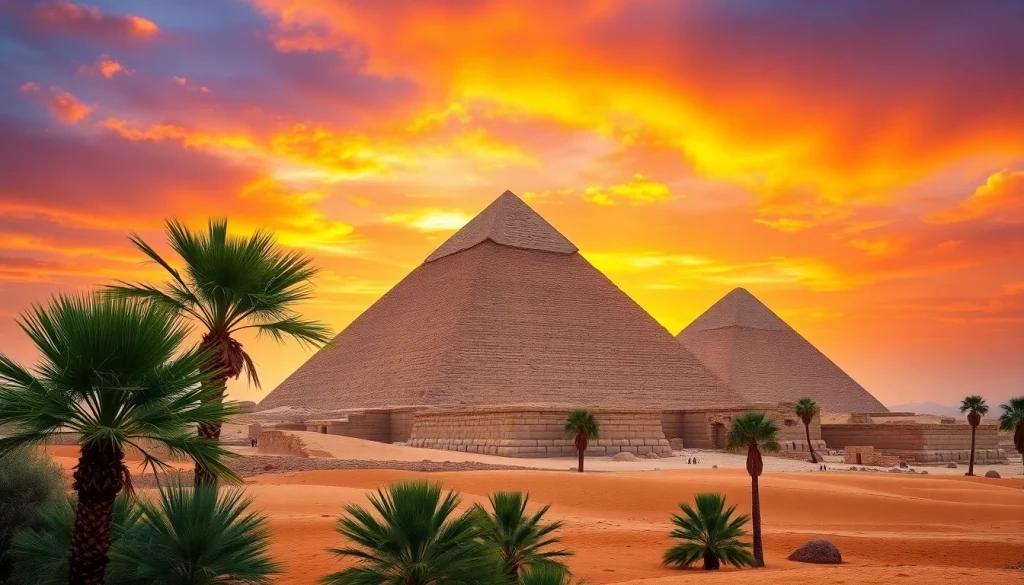
Understanding the Origins of the Pyramids
The origins of the Egyptian pyramids are steeped in mystery and grandeur, showcasing some of humanity’s most extraordinary architectural achievements. Built over thousands of years, these massive structures served primarily as tombs for Pharaohs and their consorts during the Old and Middle Kingdom periods. Archaeological evidence suggests the construction of pyramids began as early as the Third Dynasty. This aligns with the rise of centralized power, as Pharaohs sought to solidify their legacies through monumental architecture. The most famous of these structures, the Pyramids of Giza, still captivate the attention of historians and archaeologists alike. Diving deeper into their origins provides insight not only into ancient Egyptian society but also into the capabilities and advancements in engineering of the time. For an insightful exploration into this topic, visit https://piraminds.com/.
Early Civilization and Construction Techniques
Ancient Egyptian civilization thrived along the Nile River, which provided fertile land and a reliable water supply, essential for sustaining the agricultural economy. As society evolved, complex social structures emerged, giving way to the development of sophisticated construction techniques used for the creation of pyramids. The Pyramid of Djoser, which dates back to the 27th century BCE, signifies one of the earliest known attempts at pyramid construction. Built using limestone blocks, its step structure laid the foundational principles later adopted in constructing true pyramids. Subsequent innovations included the use of large stone blocks and the development of effective labor systems, which allowed for massive construction projects to be completed efficiently.
The Role of Religion in Pyramid Design
Religion played a pivotal role in the design and purpose of pyramids. These structures were believed to be gateways to the afterlife, providing a means for the Pharaohs to ascend to the heavens and join the gods. This carried significant implications regarding the pyramid’s orientation, scale, and location. For instance, the alignment of the Great Pyramid of Giza with the constellation of Orion reflects the Egyptians’ celestial beliefs, demonstrating their intent on creating a sacred space that transcended earthly existence. Moreover, the intricate hieroglyphs and chamber structures within the pyramids reveal essential religious texts and spells designed to protect and guide the deceased Pharaoh into the afterlife.
Notable Pyramids and Their History
Among the myriad of pyramids scattered throughout Egypt, the Pyramids of Giza stand out due to their architectural grandeur and historical significance. The Great Pyramid, built for Pharaoh Khufu, is the largest and one of the Seven Wonders of the Ancient World, while the pyramids of Khafre and Menkaure preserve the legacy of their respective rulers. Each pyramid showcases the evolution of Egyptian building practices and artistic expression. The pyramids not only served as monumental tombs but also as emblems of power and divine authority. Their continued existence speaks volumes about the ancient Egyptians’ dedication to both artistry and the afterlife.
Architectural Marvels of the Pyramids
Pyramids are often regarded as architectural marvels due to their imposing design and engineering ingenuity. The construction of these large-scale structures involved a myriad of sophisticated techniques that reflect the understanding of mathematics, physics, and labor organization in ancient Egypt.
Design Principles and Innovations
The architectural design of the pyramids involved principles that fused practicality with aesthetics. The square base, ascending to a pointed apex, symbolized the rays of the sun reflecting back to its origin. Engineers employed a variety of designs, from the step pyramid of Djoser to the true pyramids like those of Giza, showcasing their evolving understanding of geometry. Moreover, advancements in the use of ramps and levers allowed workers to transport and place incredibly heavy stones with remarkable precision.
Material Choices and Their Impact
Material selection was crucial in constructing the pyramids. The primary material used was limestone, quarried locally, which provided both durability and aesthetic appeal. Granite, used in the interior chambers of the Great Pyramid, signified the Pharaoh’s power, as it was more challenging to obtain. The choice of materials also reflected the Egyptians’ understanding of environmental factors such as weathering, ensuring the longevity of these structures. The efficiency in utilizing available resources played an essential role in the successful execution of these monumental constructions.
The Significance of Pyramid Shapes
The pyramid shape itself holds significant meaning within ancient Egyptian culture. The triangular form was symbolic of the sun’s rays and was believed to facilitate the ascension of the soul towards the heavens. This shape was architecturally favored as it allowed for stability and efficiency in construction while adhering to the religious mystique that surrounded the concept of the afterlife. Moreover, different pyramidal structures also reflected the political dynamics of the time, showcasing the Pharaohs’ individuality and their determination to leave a lasting legacy.
Cultural Impacts of the Great Pyramids
The Great Pyramids of Egypt have left an indelible mark on not just Egyptian society but also on global culture. They represent a rich tapestry of beliefs, artistic endeavor, and social structure, signaling the might and complexity of ancient civilization.
The Pyramids in Egyptian Society
Pyramids functioned as monumental reminders of the Pharaoh’s divine status in society. They were central to the religious practices and aided in the formulation of a belief system that emphasized the afterlife. Each pyramid was surrounded by complex funerary temples that facilitated rituals and offerings for the deceased, reflecting the Egyptians’ views on life and death. The pyramids influenced social hierarchies, as laborers, artisans, and priests all played vital roles in the construction and maintenance of these grand structures, showcasing the interconnectedness of Egyptian society.
Representations in Arts and Literature
Across millennia, the pyramids have inspired countless authors, artists, and poets, embedding themselves in literature and art as symbols of mystery and human achievement. They offer a wealth of narrative potential, appearing in various forms of art, including paintings and sculptures, that echo their grandeur. The iconic pyramids serve as touchstones in philosophy, highlighting themes of ambition, mortality, and eternity that resonate throughout human history. Their representation in modern media only furthers their legacy, as they continue to evoke awe and intrigue.
Modern Interpretations and Inspirations
Today, the depictions and interpretations of pyramids extend beyond mere architectural study. Their form inspires modern architectural designs, promoting ideas about sustainability and energy efficiency. Moreover, they serve as focal points in discussions on cultural heritage and preservation, reflecting society’s evolving relationship with history. Ensuing explorations and archaeological studies constantly contribute to our understanding of not only the pyramids themselves but also the culture that created them. The multifaceted impact of these extraordinary structures allows for a continuous dialogue surrounding their meaning in modern contexts.
Mysteries Surrounding the Pyramids
Despite the wealth of information surrounding the pyramids, several mysteries remain unresolved. The enigma of their construction and the purpose they served continues to invigorate scholarly debate and public interest alike.
Theories of Construction and Labor
Various theories exist regarding the techniques employed in constructing the pyramids, from the use of simple tools and materials to advanced engineering methods. Scholars propose that a workforce of thousands of skilled laborers, rather than slaves, completed these projects, signifying a high degree of organization and solidarity within the society. Discourse surrounding labor allocation presents a rich area of research, challenging popular misconceptions about how these monumental structures were realized. Ongoing archaeological discoveries continually reshape our understanding of the labor dynamics and construction methodologies behind these wonders.
Recent Discoveries and Their Implications
Recent archaeological discoveries have shed light on some of the long-standing mysteries surrounding the pyramids. Advanced technologies such as ground-penetrating radar and 3D scanning have revealed hidden chambers and structural elements previously unknown. These findings contribute to a growing body of evidence suggesting that pyramids may possess additional functions or symbolic meanings that go beyond traditional beliefs. Each new discovery opens doors to uncovering the stories buried within the stone and enhances the understanding of ancient Egyptian culture.
Unsolved Questions About Their Purpose
Questions about the ultimate purpose of the pyramids remain at the forefront of historical discourse. While the dominant narrative posits them as vast tombs for Pharaohs, alternative theories suggest they may have served as astronomical observatories or religious sites. The intricacies of their architectural alignment with celestial bodies implies a purpose deep-rooted in spirituality and cosmic understanding. Exploring these multifaceted interpretations highlights the complex relationship between architecture, religion, and our understanding of the universe in ancient Egyptian society.
Tourism and Preservation Efforts
The Great Pyramids attract millions of visitors each year, making them a focal point for tourism in Egypt. However, this influx poses significant challenges to their preservation. Balancing access for tourists with the need to maintain these ancient structures is a delicate endeavor.
Visitor Experiences at the Pyramids
Visiting the pyramids is often described as a profound experience, allowing individuals to connect with history intimately. Guided tours offer insights into the construction, cultural significance, and the legends surrounding these monumental structures. However, experiencing the pyramids can also draw attention to their vulnerability, as crowds and environmental conditions pose ongoing threats to their integrity. Efforts to enhance visitor experiences while ensuring conservation are continuously evolving.
Conservation Strategies in Place
Numerous conservation strategies are employed to protect the pyramids from deterioration. Initiatives range from structural stabilization to stringent regulations on tourist access. Besides physical preservation measures, educational programs aim to raise awareness about the importance of protecting these sites. Collaborations between local authorities and international organizations bolster efforts to maintain both the site’s historical integrity and its significance for future generations.
Challenges Facing Pyramid Preservation
Pyramid preservation faces multifaceted challenges, including urban development, climate change, and tourism. The proximity of modern cities to these ancient wonders increases the risk of pollution and degradation, while extreme weather conditions threaten their structural longevity. To combat these challenges, continuous innovation and strategies addressing modern environmental impacts are essential. Maintaining open channels for research and involving communities can foster a greater appreciation for these monumental structures and their conservation needs.
Frequently Asked Questions
What are the main pyramids in Egypt?
The three main pyramids of Egypt are the Great Pyramid of Giza, the Pyramid of Khafre, and the Pyramid of Menkaure, all located on the Giza Plateau.
How were the pyramids built?
The construction of the pyramids involved skilled laborers who used ramps, levers, and simple tools to transport massive stone blocks, showcasing advanced engineering techniques.
What was the purpose of the pyramids?
Pyramids primarily served as monumental tombs for Pharaohs, designed to facilitate their journey into the afterlife and symbolize their divine status.
How do the pyramids align with stars?
The pyramids are aligned with remarkable precision to celestial bodies and cardinal points, reflecting the Egyptians’ keen interest in astronomy and cosmology.
What are the threats to pyramid preservation?
Pyramid preservation faces threats from urban development, environmental changes, and tourism. Efforts are in place to mitigate these impacts through conservation strategies.