
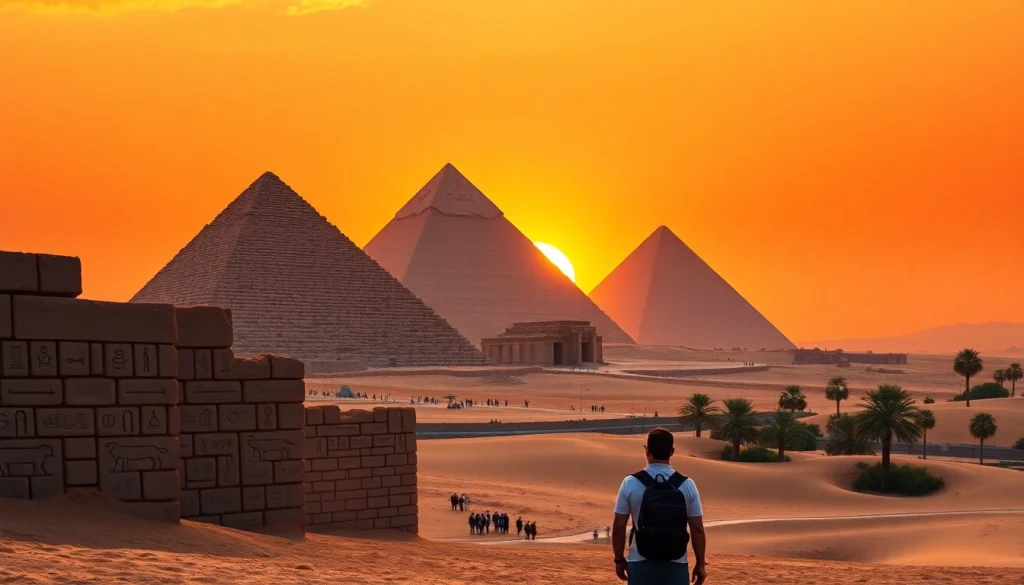
The Great Pyramids: An Overview
The Great Pyramids of Egypt, specifically the three located at Giza, are among the most recognizable and important structures in the world. They serve not only as monumental tombs for ancient pharaohs but also as symbols of ancient Egyptian civilization and culture. As one of the Seven Wonders of the Ancient World, the pyramids evoke a sense of awe and curiosity, prompting countless explorations into their mysteries and significance. To explore more about this fascinating topic, you can refer to https://piraminds.com/.
Historical Significance
The historical significance of the Great Pyramids extends far beyond their sheer size and architectural innovation. Built during the Old Kingdom of Egypt, around 2580–2560 BCE, these structures epitomize the cultural and spiritual aspirations of the ancient Egyptians, who believed that the afterlife was a continuation of existence on Earth. The Pyramids of Giza, particularly the Great Pyramid of Khufu, were designed to support this belief by serving as grand tombs that would ensure the pharaoh’s safe passage to the afterlife.
Architectural Marvels
The construction of the Great Pyramids is a testament to the engineering skills of ancient Egyptians. The largest, the Great Pyramid of Giza, originally stood at 146.6 meters (481 feet) and was constructed using an estimated 2.3 million blocks of stone, each weighing between 2.5 and 15 tons. The alignment of the pyramids with the cardinal points and the precision of their construction reflect a sophisticated understanding of mathematics and astronomy. The use of massive stone blocks and the intricate interior chambers demonstrates an architectural ingenuity that continues to fascinate modern architects and archaeologists.
Cultural Impact
The Great Pyramids have had a profound cultural impact, influencing art, literature, and architecture for millennia. From ancient texts to contemporary films and literature, the pyramids are often emblematic of mystery, power, and the quest for immortality. They have inspired countless works of art and exploration and continue to draw millions of tourists each year to Egypt, contributing significantly to its economy and cultural heritage.
Understanding the Construction of Pyramids
Building Techniques
Understanding how the pyramids were constructed involves examining various building techniques employed by ancient Egyptians. The use of ramps is widely accepted among historians; various forms of these, be it straight or circular ramps, were used to transport stone blocks to high elevations. The precision required for aligning each block is indicative of their advanced skills in engineering and construction methodologies, which have been the subject of various studies and experiments over the years.
Labor and Workforce
Contrary to popular belief, it is now established that the pyramids were not built by slaves but by a workforce composed of skilled laborers, craftsmen, and their families. Thousands of workers were organized into teams, and evidence suggests they were well-fed and housed near the construction sites. This not only highlights the logistical prowess of the ancient Egyptians but also reflects a society that valued its workforce in monumental projects.
The Role of Mathematics
Mathematics played a crucial role in the construction of the pyramids, exemplified by the precise calculations involved in their dimensions and orientation. The use of geometry to ensure stability and alignment with the stars is a key aspect of pyramid design. The ancient Egyptians employed a base ratio known as the “golden ratio” in their designs, showcasing their advanced understanding of mathematics which is still studied and admired today.
Exploring the Mysteries Behind the Pyramids
Myths vs. Facts
There are many myths surrounding the Great Pyramids, some perpetuated by literature and cinema, while others stem from misunderstandings of their construction and purpose. One prevalent myth is that the pyramids were built by slaves. In reality, the workforce consisted of skilled laborers. Additionally, while earlier theories posited the pyramids served as mere tombs, they represented multidimensional symbols of power, afterlife beliefs, and celestial connections.
Recent Archaeological Discoveries
Recent archaeological efforts have shed light on unknown features of the pyramids. Discoveries include hidden chambers, advanced construction techniques, and evidence of the logistical feats involved. Advanced scanning technologies have revealed previously undiscovered voids within the Great Pyramid, resulting in renewed enthusiasm for exploring these ancient structures further. Each discovery adds layers to our understanding and appreciation of this ancient civilization.
Pyramids in Popular Culture
The allure of the Great Pyramids has permeated popular culture, inspiring films, documentaries, video games, and art. They are often depicted as symbols of mystique and ancient wisdom. This representation not only reflects our cultural fascination with these structures but also often serves to promote scholarly interest in Egyptology and the history of human civilization.
Visiting the Pyramids: What to Expect
Access and Entry Points
Visiting the Great Pyramids is a must for anyone traveling to Egypt. The site is easily accessible from Cairo and offers several entry points. Visitors can explore the pyramids, surrounding structures, and the nearby Sphinx. It is advisable to arrive early in the day to avoid the crowds and the heat, ensuring a more enjoyable experience as you explore this historic site.
Guided Tours and Experiences
For a deeper understanding of the pyramids’ history and significance, guided tours are highly recommended. Numerous local tour guides offer insights into the construction, purpose, and myths surrounding the pyramids while providing an immersive experience. Additionally, certain organizations offer specialized experiences, including camel rides around the pyramids or nighttime visits when the site is dramatically lit.
Best Times to Visit
The ideal times to visit the Great Pyramids are during the cooler months, from late fall to early spring. During this period, temperatures are more comfortable, and the site experiences fewer visitors compared to the sweltering summer months. Planning your visit around significant cultural events or festivals can also enhance your experience.
Future Research and Preservation Efforts
Ongoing Studies
Research related to the pyramids and ancient Egyptian civilization continues to evolve. Scholars and archaeologists are focusing on conservation efforts, structural assessments, and the development of modern technologies to better understand and preserve these sites. This ongoing research is crucial in ensuring that the pyramids remain a source of knowledge and inspiration for future generations.
Community Involvement
Engaging local communities in preservation efforts is essential for the upkeep of the pyramids. Educational programs and workshops can inform locals about the significance of the pyramids and the importance of sustainable tourism. Such initiatives promote a sense of ownership and pride among residents, fostering a community-centric approach to heritage preservation.
Sustainable Tourism Practices
Sustainable tourism practices are vital for minimizing the environmental impact of tourism around the pyramids. Implementing guidelines for responsible visiting, promoting eco-friendly tours, and involving local businesses in tourism can help preserve the site while providing economic benefits to the community. By encouraging visitors to respect the site’s integrity, we contribute to the preservation of these ancient monuments.
Frequently Asked Questions
What was the purpose of the Great Pyramids?
The Great Pyramids served primarily as tombs for pharaohs, reflecting beliefs in the afterlife and the importance of burials in Egyptian culture.
How were the pyramids constructed?
Large limestone blocks were transported and placed using advanced engineering techniques, including ramps, with a workforce of skilled laborers rather than slaves.
When is the best time to visit the pyramids?
Visiting during the cooler months from October to April is ideal for comfortable temperatures and smaller crowds, enhancing the overall experience.
Are there any recent discoveries related to the pyramids?
Yes, ongoing excavations have uncovered hidden chambers and advanced construction methods, continuing to reveal insights about ancient Egyptian life and practices.
Can you visit the pyramids at night?
Night visits are limited but can occur during special events. It is recommended to check availability in advance to avoid disappointment.