
Puppy Socialization Classes: Building Confident Dogs for Life
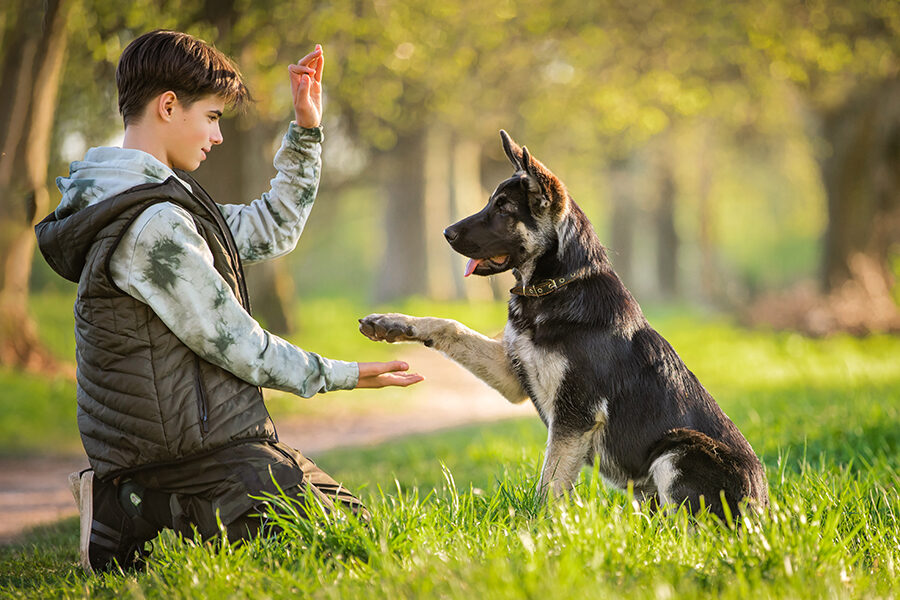
The first few months of a puppy’s life shape how they will interact with the world for years to come. During this critical developmental period, positive experiences help puppies become confident, well-mannered, and adaptable companions. That is why puppy socialization classes have become one of the most recommended investments for new dog owners.
Many people assume socialization simply means allowing puppies to meet other dogs. In reality, proper socialization involves carefully introducing puppies to new environments, people, sounds, surfaces, and experiences in a safe, structured setting. When done correctly, socialization helps reduce fear, anxiety, and unwanted behaviors while laying the groundwork for lifelong success.
For families welcoming a new puppy, understanding the value of puppy socialization classes can make a significant difference in raising a balanced and happy dog.
Why Early Socialization Matters
Puppies experience a critical socialization period during their early development. During this time, they are especially receptive to learning about the world around them. Positive exposure to various experiences helps them develop healthy responses to unfamiliar situations.
Without proper socialization, puppies may become fearful or overwhelmed when encountering new people, animals, environments, or sounds later in life. These fears can contribute to behavioral challenges such as:
- Excessive barking
- Leash reactivity
- Fear-based aggression
- Separation anxiety
- Nervousness around strangers
- Difficulty adapting to new environments
Early socialization helps puppies learn that new experiences are normal and manageable. This foundation can improve their confidence and make future training easier and more effective.
What Are Puppy Socialization Classes?
Puppy socialization classes are structured training sessions designed specifically for young dogs. Unlike informal playdates, these classes provide supervised interactions and carefully planned activities that expose puppies to a variety of experiences.
A quality class typically includes:
- Positive interactions with other puppies
- Exposure to different people
- Introduction to common sounds and objects
- Basic obedience exercises
- Confidence-building activities
- Guidance for puppy owners
Professional trainers monitor interactions to ensure that every experience remains safe and productive. This controlled environment helps puppies learn valuable social skills while preventing negative experiences that could create lasting fears.
Benefits of Puppy Socialization Classes
Building Confidence
One of the primary goals of puppy socialization classes is helping puppies develop confidence. Exposure to unfamiliar situations in a positive setting teaches puppies how to navigate new experiences without becoming fearful.
Confident dogs are more likely to remain calm when encountering:
- New visitors
- Busy streets
- Veterinary visits
- Grooming appointments
- Public spaces
- Travel situations
Confidence allows dogs to adapt more easily throughout their lives.
Developing Healthy Dog-to-Dog Communication
Dogs communicate primarily through body language. Puppies that participate in supervised socialization opportunities learn how to read and respond appropriately to other dogs.
Through guided interactions, puppies learn:
- Appropriate play behavior
- Respect for boundaries
- Social cues
- Conflict avoidance
- Impulse control
These skills help create positive relationships with other dogs and reduce the likelihood of future behavioral issues.
Improving Human Interactions
A well-socialized puppy learns that people come in many different forms. During puppy socialization classes, puppies may encounter individuals of varying ages, appearances, and mobility levels.
This exposure helps puppies become comfortable around:
- Children
- Seniors
- People wearing hats
- Individuals using wheelchairs
- People carrying bags or umbrellas
- Visitors entering the home
These experiences help puppies develop trust and reduce fear toward unfamiliar people.
Creating Better Training Outcomes
Socialization and training work hand in hand. Puppies that feel comfortable and confident are generally more receptive to learning new skills.
Many puppy socialization classes incorporate foundational obedience exercises such as:
- Sit
- Stay
- Come
- Leave it
- Loose-leash walking
Practicing these behaviors in a distracting environment helps puppies build focus and self-control, which can support future training success.
Common Socialization Mistakes Owners Should Avoid
Waiting Too Long
One of the most common mistakes is delaying socialization until a puppy is older. Many owners worry about exposing their puppy to new environments too soon.
While health considerations are important, socialization opportunities can often begin safely before all vaccinations are completed when guided by a professional trainer and veterinarian.
The earlier positive experiences occur, the greater the potential benefits.
Overwhelming the Puppy
More exposure is not always better. Introducing too many new experiences at once can overwhelm a young puppy.
Successful socialization focuses on quality rather than quantity. Puppies should encounter new situations gradually and at a pace that allows them to remain comfortable and engaged.
Forcing Interactions
Some owners believe puppies should be required to greet every person or dog they encounter. Forced interactions can increase stress and create negative associations.
Instead, puppies should be encouraged to explore new experiences voluntarily. Positive reinforcement helps build confidence without pressure.
Ignoring Body Language
Puppies communicate their comfort level through body language. Signs of stress may include:
- Tucked tail
- Lip licking
- Yawning
- Avoidance behaviors
- Trembling
- Excessive panting
Recognizing these signals allows owners and trainers to adjust the experience before a puppy becomes overwhelmed.
What to Look for in Quality Puppy Socialization Classes
Not all classes offer the same level of value. Choosing the right program can significantly influence a puppy’s development.
When evaluating classes, consider the following factors.
Experienced Trainers
Look for trainers who use positive reinforcement methods and understand canine development. Experienced professionals can identify potential issues early and create safe learning opportunities.
Controlled Environment
The training environment should be structured and supervised. Puppies should not simply be released into uncontrolled group play.
Quality programs carefully manage interactions to promote positive learning experiences.
Small Class Sizes
Smaller groups allow trainers to provide more individualized attention. This can improve safety and help puppies progress at an appropriate pace.
Educational Support for Owners
Effective puppy socialization classes educate owners as well as puppies. Understanding canine body language, behavior, and training techniques helps reinforce lessons at home.
Activities Commonly Included in Puppy Socialization Programs
A comprehensive socialization program introduces puppies to a wide range of experiences designed to build resilience and confidence.
Examples may include:
- Walking on different surfaces
- Meeting unfamiliar people
- Hearing common household noises
- Exploring new objects
- Practicing basic obedience
- Supervised puppy play sessions
- Exposure to mobility equipment
- Handling exercises for grooming and veterinary care
These activities help prepare puppies for the realities of everyday life.
Conclusion
Investing in puppy socialization classes is one of the most important steps owners can take during a puppy’s early development. Structured socialization helps puppies build confidence, develop healthy communication skills, and learn how to navigate new experiences with ease. These early lessons often contribute to better behavior, improved trainability, and stronger relationships between dogs and their families.
While socialization begins during puppyhood, its benefits can last a lifetime. By providing positive, carefully managed experiences during this critical stage, owners can help their puppies grow into well-adjusted companions who are comfortable in a variety of situations.
Whether you are welcoming your first puppy or adding another dog to your family, choosing quality puppy socialization classes can set the foundation for long-term success. With the right guidance, consistency, and positive experiences, puppies can develop the skills they need to thrive at home, in public, and throughout every stage of life. For owners seeking professional support during this important stage, Rob’s Dog Training offers guidance and structured learning opportunities that help puppies build confidence and develop positive social skills.