
Construction Dumpster Rental: A Smarter Approach to Jobsite Waste Management
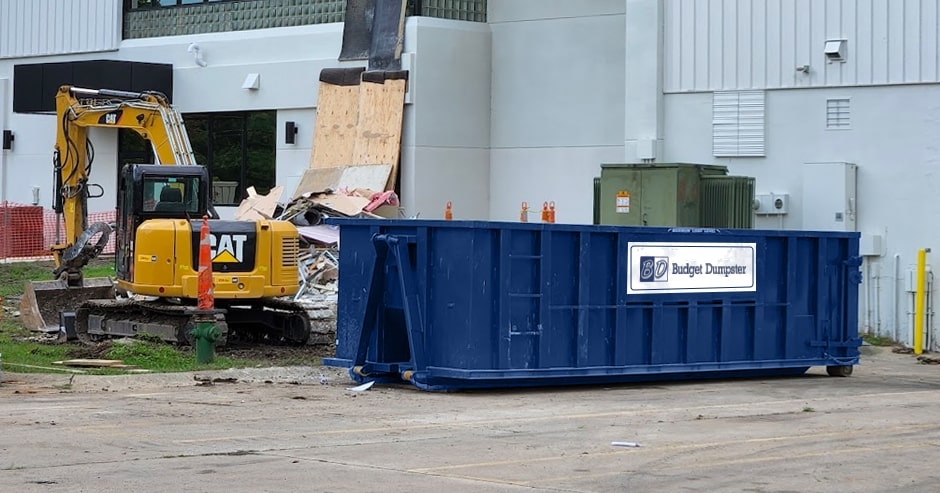
Construction projects generate significant amounts of debris, waste materials, and discarded supplies. Whether it is a residential renovation, commercial build-out, roofing project, demolition job, or new construction development, managing waste efficiently plays a major role in keeping projects organized, safe, and on schedule. This is where construction dumpster rental services become an essential part of successful project planning.
Many contractors and property owners underestimate how quickly construction debris accumulates. Piles of waste materials can create safety hazards, reduce productivity, and negatively impact the overall appearance of a jobsite. Renting a dumpster provides a centralized solution for collecting, storing, and removing waste throughout the duration of a project.
In this guide, we’ll explore why construction dumpster rental services are valuable, how to choose the right dumpster, and best practices for maximizing efficiency while maintaining a clean and compliant work environment.
Why Construction Waste Management Matters
Construction sites produce a wide variety of waste materials, including:
- Wood scraps
- Drywall
- Concrete
- Asphalt
- Roofing materials
- Metal
- Packaging materials
- Flooring debris
- Insulation
- Demolition waste
Without an effective waste management strategy, these materials can quickly overwhelm a worksite. Proper disposal not only improves organization but also supports workplace safety and project efficiency.
A designated dumpster helps crews maintain cleaner work areas, allowing workers to focus on tasks instead of constantly moving debris around the site. It also minimizes the risk of accidents caused by scattered materials and cluttered walkways.
The Benefits of Construction Dumpster Rental
Improved Jobsite Safety
Safety remains one of the top priorities on any construction project. Loose debris, sharp materials, and scattered waste can create trip hazards and increase the likelihood of injuries.
A construction dumpster rental allows crews to immediately dispose of waste materials as they are generated. This simple practice helps maintain clear pathways and reduces risks associated with cluttered work areas.
Increased Productivity
Workers perform more efficiently when jobsites remain organized. Instead of spending valuable time collecting and relocating debris, crews can dispose of materials directly into the dumpster.
This streamlined workflow reduces interruptions and helps projects stay on schedule.
Better Project Organization
Construction projects often involve multiple contractors, subcontractors, and suppliers working simultaneously. A designated waste collection point helps maintain order throughout every phase of the project.
An organized site creates a more professional appearance and demonstrates attention to detail for clients, inspectors, and project stakeholders.
Simplified Waste Removal
Managing multiple trips to disposal facilities can consume significant time and resources. Dumpster rental services simplify the process by providing scheduled delivery and pickup, allowing project teams to focus on construction activities rather than waste transportation.
Environmental Responsibility
Many construction materials can be sorted, recycled, or processed through specialized waste management systems. Working with a professional dumpster provider can help support environmentally responsible disposal practices and reduce landfill contributions when possible.
Common Projects That Benefit from Construction Dumpster Rental
Construction dumpsters are useful for projects of all sizes.
Residential Construction Projects
Home improvement and renovation projects frequently generate large amounts of debris, including:
- Kitchen remodels
- Bathroom renovations
- Room additions
- Garage conversions
- Flooring replacement
- Roofing projects
Even smaller residential jobs can produce more waste than standard curbside collection services can accommodate.
Commercial Construction
Commercial construction projects often require larger dumpsters due to higher volumes of debris generated throughout the construction process.
Examples include:
- Office renovations
- Retail build-outs
- Restaurant remodeling
- Warehouse construction
- Multi-unit developments
Demolition Projects
Demolition activities create substantial waste in a short period of time. Construction dumpster rental services provide an efficient solution for handling large quantities of debris while maintaining a safer work environment.
Roofing Projects
Roof replacement projects generate shingles, underlayment materials, nails, flashing, and damaged roofing components. Having a dumpster positioned near the work area simplifies disposal and helps keep the surrounding property clean.
Choosing the Right Construction Dumpster Size
Selecting the appropriate dumpster size is critical for controlling costs and maintaining project efficiency.
Small-Scale Projects
Smaller construction jobs may require compact dumpsters capable of handling moderate debris volumes without occupying excessive space.
Typical projects include:
- Single-room renovations
- Small demolition jobs
- Garage cleanouts
- Minor remodeling projects
Medium-Sized Construction Projects
Mid-sized projects often involve:
- Multiple-room renovations
- Roofing replacements
- Residential additions
- Commercial interior updates
These projects benefit from larger containers that can accommodate increased debris production.
Large Construction Sites
Major construction and demolition projects typically require high-capacity dumpsters designed to manage substantial waste volumes throughout the project lifecycle.
A professional dumpster provider can help determine the most appropriate size based on project scope, materials, and anticipated debris volume.
What Materials Can Typically Go Into Construction Dumpsters?
Construction dumpsters are designed to handle many common building materials, including:
- Wood
- Drywall
- Concrete
- Bricks
- Metal
- Roofing materials
- Flooring
- Siding
- Insulation
- General construction debris
However, certain items may be restricted depending on local regulations and disposal facility requirements.
Examples of commonly restricted materials include:
- Hazardous chemicals
- Paints and solvents
- Batteries
- Asbestos-containing materials
- Certain electronics
- Contaminated waste
Always verify acceptable materials with your dumpster rental provider before disposal.
Tips for Maximizing Construction Dumpster Efficiency
1. Plan Dumpster Placement Carefully
Proper placement improves accessibility and efficiency.
Consider positioning the dumpster:
- Near active work zones
- Away from public walkways
- On stable, level surfaces
- Where delivery and pickup vehicles can easily access it
Strategic placement minimizes travel time for workers and supports smoother project operations.
2. Load Materials Evenly
Distribute debris evenly throughout the container to maximize capacity and maintain safe transportation conditions.
Avoid creating uneven weight distribution that could complicate pickup and hauling.
3. Break Down Bulky Materials
Reducing the size of large materials allows for more efficient use of available dumpster space.
Examples include:
- Flattening cardboard
- Breaking down wood framing
- Cutting oversized materials when appropriate
This practice can reduce the need for additional containers.
4. Separate Recyclable Materials
Many construction projects generate recyclable materials such as metal, cardboard, and clean wood.
Separating these materials when possible may support sustainability goals and improve waste management outcomes.
5. Monitor Capacity Throughout the Project
Regularly evaluate dumpster fill levels to avoid overflow situations that could delay work or create safety concerns.
Scheduling timely pickups helps maintain uninterrupted project progress.
Avoiding Common Construction Waste Management Mistakes
Underestimating Debris Volume
One of the most common mistakes is selecting a dumpster that is too small for the project.
Accurately estimating debris volume helps prevent unexpected expenses associated with additional containers or emergency pickups.
Waiting Too Long to Arrange Waste Removal
Construction schedules often move quickly. Delaying dumpster arrangements can create logistical challenges once debris begins accumulating.
Planning ensures waste management remains aligned with project timelines.
Ignoring Local Disposal Regulations
Different jurisdictions may have specific rules governing construction waste disposal. Understanding local requirements helps avoid compliance issues and supports responsible waste management practices.
Overloading the Dumpster
Exceeding fill limits can create transportation and safety concerns. Materials should remain within designated loading guidelines established by the rental provider.
How Professional Dumpster Rental Services Support Construction Success
Professional dumpster rental providers offer more than simply delivering a container. They help contractors, builders, and property owners develop practical waste management solutions tailored to project requirements.
Benefits often include:
- Flexible rental periods
- Timely delivery and pickup
- Guidance on container selection
- Support for large and small projects
- Reliable waste removal scheduling
These services help maintain project momentum while reducing administrative burdens associated with debris management.
Why Waste Management Should Be Part of Early Project Planning
Successful construction projects depend on effective planning from start to finish. Waste management should be considered during the earliest stages of project development rather than treated as an afterthought.
Integrating construction dumpster rental into project planning helps:
- Improve workflow efficiency
- Support jobsite safety
- Reduce cleanup delays
- Maintain professional site conditions
- Simplify debris disposal
When waste management is addressed proactively, construction teams can focus on completing projects efficiently and delivering quality results.
Final Thoughts
Construction projects inevitably generate waste, but that waste does not have to create challenges that slow progress or compromise safety. A well-planned construction dumpster rental strategy provides an efficient, organized, and practical solution for handling debris throughout every phase of a project.
From residential renovations and roofing jobs to large-scale commercial developments and demolition projects, having the right dumpster in place supports cleaner worksites, improved productivity, and more effective project management.
For contractors, builders, and property owners seeking dependable waste management solutions, Junk Rescue AZ provides reliable support designed to help keep construction projects organized, efficient, and moving forward from start to finish.