Understanding Types of Ice Makers
Choosing the right ice maker can transform your home or business, providing a steady supply of ice for beverages, entertaining, or cooking. With various options available, from ice maker machines to commercial versions, understanding the differences will help you make an informed decision. This guide explores the major types of ice makers to suit different needs.
Countertop Ice Maker: Compact and Convenient
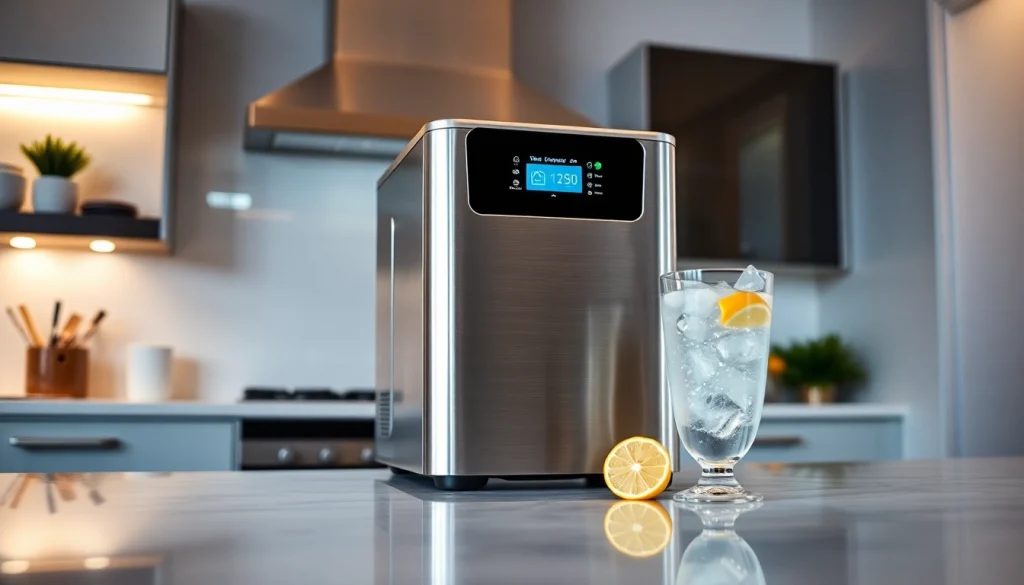
Countertop ice makers have gained immense popularity in recent years due to their compact size and ease of use. These machines are typically lightweight and portable, making them ideal for home use, picnics, and small gatherings. Their production capacity often ranges from 26 to 28 pounds of ice per day, which suits most casual ice requirements.
One distinct advantage of countertop ice makers is their quick ice production time, with some models capable of generating ice in as little as six minutes. This is an excellent feature for parties or during hot days when you need a rapid supply. Additionally, many models come equipped with auto-cleaning functions, which significantly reduces maintenance and ensures fresh ice, enhancing user convenience.
Built-in Ice Makers: A Permanent Solution
For those looking for a more integrated solution, built-in ice makers provide a permanent option that adds convenience and efficiency. These units are typically installed under a countertop or inside cabinetry, allowing for a seamless look in your kitchen or bar.
Built-in ice makers generally have larger ice production capacities, with some models producing upwards of 50 pounds of ice daily. They also often feature advanced technology that enables them to create various ice types, including nugget and clear ice, catering to specific preferences for drinking and dining experiences. Installation may require professional assistance, but they offer a long-term solution that can significantly benefit high-traffic kitchens or entertaining spaces.
Commercial Ice Makers: For High Demand
For businesses like restaurants, bars, and cafes, commercial ice makers are essential. These robust machines are designed to produce large volumes of ice quickly and efficiently, meeting the high demands of busy service environments. They can churn out anywhere from 100 to over 500 pounds daily, depending on the model and specifications.
Commercial ice makers often come in various configurations, including undercounter and modular designs, allowing businesses to choose an option that best fits their space and operational needs. Additionally, they are built with durability in mind, using long-lasting materials and features that withstand the rigors of daily usage.
Advanced filtering systems found in commercial units ensure that the ice produced is not only abundant but also clean and tasty, crucial for maintaining the quality of beverages served.
Key Features to Look for in an Ice Maker
Ice Production Capacity: Choosing the Right Size
The capacity of an ice maker is one of the most critical factors in making your selection. Assess how much ice you typically use daily to determine the right size. For occasional use, a compact countertop model may suffice, whereas households or businesses with heavy demands will require larger, built-in or commercial machines.
Additionally, consider the size and shape of the ice cubes produced; this can affect the cooling efficiency in drinks. For example, larger cubes melt slower, while smaller ones chill faster but may dilute beverages quicker.
Energy Efficiency: Saving Costs in the Long Run
With rising energy costs and growing environmental concerns, energy efficiency is a vital feature to consider when selecting an ice maker. Many modern machines are designed to consume less energy while maintaining high production rates. Look for models with the Energy Star label, which indicates compliance with energy efficiency guidelines set by the U.S. Environmental Protection Agency.
Investing in an energy-efficient ice maker can lead to considerable cost savings over time while contributing to reduced carbon footprints. These machines often use advanced technologies to minimize energy consumption while still delivering consistent ice production.
Noisy Operation: Finding a Quiet Machine
Noise levels can vary significantly among ice makers. If your usage environment is sensitive to noise, such as kitchens near dining areas or quiet office spaces, selecting a quieter model is crucial. Many manufacturers provide specifications regarding noise levels, measured in decibels. Aim for models that are designed for silent operation, especially if they will be used frequently.
Some ice makers feature sound-dampening designs or components to reduce operational noise, making them more suitable for residential use or quiet commercial spaces.
Maintenance Tips for Your Ice Maker
Regular Cleaning to Ensure Fresh Ice
Like any appliance, ice makers require regular maintenance to function correctly and produce safe, clean ice. Cleaning schedules should ideally include deep cleaning every few months, depending on usage levels. Regular tasks include emptying the ice bin and cleaning both internal and external parts using a mild cleaning solution.
Water quality can impact the cleanliness of the ice, so using filtered water or distilled water can reduce mineral buildup and improve overall ice quality. Always follow the manufacturer’s instructions regarding cleaning supplies and methods to avoid damaging components.
Troubleshooting Common Issues
Even the best machines may sometimes experience issues. Common problems include slow ice production, blockage in the water inlet, or odd tastes from the ice. Identifying the problem early can prevent costly repairs. Consult the user manual for troubleshooting tips, and don’t hesitate to reach out for professional service if necessary.
Regular maintenance helps in avoiding many issues before they arise. Keeping the machine clean and ensuring proper ice storage can drastically reduce problems.
Upkeep of Internal Components
Internal components like hoses, valves, and filters need attention too. Regularly inspect these parts for signs of wear or damage, and replace them as needed to ensure efficient operation. Taking preventative measures can extend the lifespan of your ice maker and enhance its performance.
Some machines come with accessible maintenance features, allowing easier access to critical components for routine check-ups, reducing the time and effort involved in upkeep.
How to Maximize Your Ice Maker’s Potential
Utilizing the Ice for Various Beverages
Once you’ve chosen the right ice maker for your needs, knowing how to use the ice effectively can elevate your beverage experience. Different drinks benefit from specific ice types; for instance, cocktails may benefit from slow-melting large cubes, while smoothies require smaller, more crushable ice.
Knowing when to replenish your ice supply, especially during gatherings or events, can ensure that your guests always have chilled drinks readily available, enhancing their overall experience.
Creative Ice Uses for Parties and Events
Beyond basic cooling, ice can be a fun addition to parties and gatherings. Consider using your ice maker to create unique ice shapes for themes or to make ice cubes that infuse flavors (like fruit or herbs) into beverages. This playful creativity can add an extra layer of enjoyment to any event.
Additionally, using ice in food displays, such as seafood platters or punch bowls, offers a visually appealing way to keep items cold and fresh.
Best Practices for Storing Ice
Proper storage of ice is crucial to maintaining its quality and preventing melting. Store ice in an insulated bin, use ice bags, or keep it in the machine’s compartment, provided it’s designed for extended storage. Avoid letting ice sit out at room temperature, which can lead to a watery and unpleasant experience.
Regularly check the ice levels and refill as needed. This ensures that you are always prepared for any occasion or need without the risk of running out.
Frequently Asked Questions About Ice Makers
What size ice maker do I need?
Choose based on your daily ice needs. Countertop models are compact for small usage, while built-ins handle larger volumes for families or businesses.
Are ice makers energy efficient?
Many ice makers are designed for efficiency, reducing power consumption over time. Look for Energy Star certified options for optimal savings.
How do I clean my ice maker?
Regular cleaning includes emptying the ice bin and using a mild cleaning solution on internal and external parts. Refer to the user manual for specific guidelines.
Can I use my ice maker outdoors?
Check the manufacturer’s instructions. Some models are designed for indoor use only due to temperature restrictions affecting their performance.
How long does it take to make ice?
Most ice makers can produce a batch of ice in 6 to 15 minutes, depending on the model and ice type being produced.