Introduction to Biological Age Calculator
As science advances, our understanding of aging has evolved dramatically. The traditional concept of age—chronological age, determined solely by birth date—now faces scrutiny as researchers and health professionals turn their attention to biological age. This alternative perspective not only enhances our understanding of health and longevity but can also empower individuals to make informed lifestyle choices. One tool that embodies this innovative approach is the biological age calculator, which provides insight into one’s real health status as determined by various physiological factors.
What is Biological Age?
Biological age refers to the condition of a person’s body rather than the mere passage of time. It’s a reflection of how well various aspects of the body are functioning relative to a person’s chronological age. Several factors contribute to biological age, including genetics, lifestyle choices, and environmental influences. These factors work together to either accelerate or slow down the aging process, resulting in a biological age that may be younger or older than one’s chronological age. This concept is particularly significant in assessing an individual’s health risks and potential longevity.
The Importance of Measuring Biological Age
Measuring biological age offers several advantages over simply counting years since one’s birth. Understanding your biological age can provide a clearer picture of your overall health and wellness. It can highlight areas for improvement and even predict future health outcomes. Recognizing factors that contribute to biological aging can motivate individuals to make lifestyle changes that enhance their well-being and extend life expectancy. Furthermore, quantifying biological age can guide personalized health interventions, potentially transforming aging from a passive experience into an active pursuit of health.
Understanding the Methodology Behind Calculators
Biological age calculators use various methodologies to determine an individual’s biological age. These methodologies often involve analyzing a combination of inputs, which can range from basic health metrics and lifestyle questions to detailed blood tests assessing biomarkers for health. For instance, common inputs might include information on blood pressure, cholesterol levels, weight, activity levels, and dietary habits. Advanced calculators may also incorporate data derived from genetic testing or epigenetic markers. By aggregating these factors, the calculator can provide a more holistic picture of the user’s health and aging status.
How to Use a Biological Age Calculator
Inputting Your Health Data
The first step in using a biological age calculator is gathering relevant health data. Depending on the specific calculator, this can include self-reported metrics (e.g., lifestyle choices) or clinical data (e.g., results from blood tests). Users should provide accurate and honest information to ensure meaningful results. While some calculators are straightforward and require only a few simple inputs, others offer more comprehensive assessments that necessitate the use of medical data.
Understanding Results and Assessments
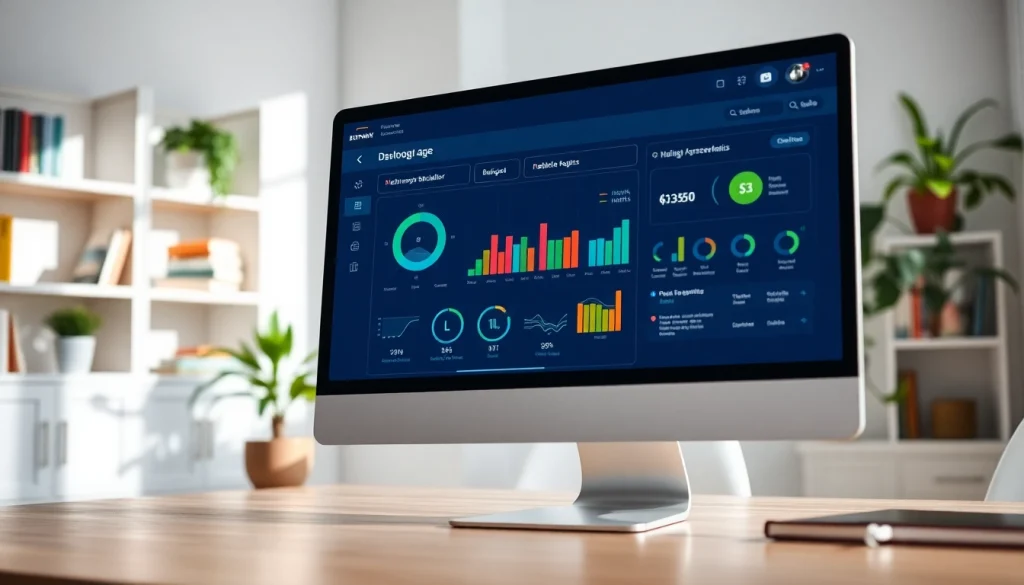
After entering the necessary data, the calculator will process the information and yield a biological age result. This result may appear as an exact number, indicating how your biological age compares to your chronological age, along with additional insights and recommendations for lifestyle changes. Understanding these results can empower individuals to make changes that may positively affect their health trajectory. Additionally, many calculators provide insights into specific health areas, such as metabolic rate, cardiovascular health, and the impact of stress on aging.
Common Misconceptions Explained
Many misconceptions surround biological age and the calculators that assess it. One common myth is that biological age and chronological age are synonymous. In reality, they can often differ significantly based on numerous health factors. Another misconception is that biological age is fixed and cannot be changed—this is untrue, as many lifestyle factors can have profound effects on biological age over time. Lastly, some people may believe that biological age calculators are only beneficial for older adults; however, these tools can provide valuable insights to individuals of all ages, ultimately guiding healthier life choices.
Factors Affecting Biological Age
Genetics and Its Role
Genetics certainly play a crucial role in determining biological age. Genes can influence everything from metabolic pathways and hormone functions to the overall integrity of cells. However, it is essential to understand that while genetic predisposition can set the stage for certain health outcomes, the environment and lifestyle choices can significantly modulate these outcomes. For instance, individuals with a family history of disease may counteract genetic risks through healthy behavior choices, thereby potentially reducing their biological age.
How Lifestyle Choices Impact Aging
Lifestyle choices are arguably the most significant factor affecting biological age. Nutrition, physical activity, stress levels, and quality of sleep all contribute to the body’s aging process. For example, a diet rich in whole foods, including fruits, vegetables, lean proteins, and healthy fats, can help reduce inflammation and oxidative stress, which are known contributors to faster aging. Regular exercise not only aids in physical fitness but also improves mood and cognitive function, contributing to a younger biological age. Moreover, chronic stress can accelerate aging; thus, managing stress through techniques like mindfulness and relaxation can positively impact biological age.
Environmental Influences on Biological Age
The environment plays a significant role in shaping biological age. Factors such as air quality, exposure to toxins, and access to health care can affect an individual’s health and aging process. For instance, living in areas with high pollution levels can lead to respiratory issues and chronic inflammation, potentially increasing biological age. Additionally, individuals with limited access to health resources may also face challenges in managing their health effectively. Awareness and mitigation of these environmental factors can be crucial for maintaining a lower biological age.
Improving Your Biological Age
Nutrition and Its Effects on Aging
Nutrition is foundational in aging healthily. The foods we consume can significantly affect cellular functions and overall health. A diet that emphasizes anti-inflammatory foods, such as leafy greens, nuts, and fatty fish rich in omega-3 fatty acids, may promote cellular health and reduce signs of aging. Additionally, practices like intermittent fasting show promise in enhancing metabolic function and potentially extending healthy lifespan. Tailoring nutrition to individual needs, including necessary micronutrients and avoiding refined sugars and processed foods, can ultimately contribute to a younger biological age.
Physical Activity and Aging Gracefully
Physical activity is widely recognized for its myriad health benefits, including its role in extending lifespan and improving quality of life. Engaging in regular exercise enhances cardiovascular health, supports muscle mass retention, and promotes mental well-being. Researchers suggest that high-intensity interval training (HIIT), resistance training, and aerobic activities can be particularly effective in managing biological age. The goal is to incorporate a balanced exercise regimen that promotes not only physical strength but also functional flexibility and mental resilience.
Psychological Well-being and Age Calculation
The mind-body connection is profound; psychological well-being is a critical component in the assessment and management of biological age. Chronic stress, anxiety, and depression can accelerate the aging process, highlighting the need for practices that promote mental health. Techniques such as meditation, yoga, and therapy can be beneficial for maintaining a healthy mindset. Furthermore, fostering social connections and engaging in fulfilling activities can enhance life satisfaction and contribute to a decreased biological age as a result of improved immune functions and lower stress levels.
Future of Biological Age Calculators
Innovations in Health Technology
The advancement of technology promises to revolutionize the accuracy and efficiency of biological age calculators. Innovations such as artificial intelligence and machine learning algorithms will improve predictive capabilities, utilizing vast datasets to tailor health assessments to individuals. For example, new wearable technologies may continuously monitor health markers, providing real-time assessments of biological age and empowering individuals to make proactive health adjustments.
Interpreting Data for Better Health Outcomes
As biological age calculators become more prevalent, the interpretation of collected data will also evolve. Accurate education on how to understand and apply biological age findings will be critical. Health practitioners may emerge as pivotal guides for individuals seeking to interpret their biological age results, helping them design personalized action plans. Enhancing user literacy regarding health metrics ensures that individuals can leverage information for optimal health outcomes.
Predictions for Biological Age Awareness
Awareness of biological age will likely continue to grow as more people recognize the benefits of understanding their health metrics. This shift could lead to increased participation in health improvement initiatives and preventive measures grounded in biological insights. Additionally, as scientific research evolves and outcomes of lifestyle interventions become more visible, the concept of biological age may become a staple in mainstream health conversations, affecting everything from health insurance models to workplace wellness programs.